Investment
Tokyo’s New Condo Average Just Hit ¥265 Million — But the Headline Needs Context

Eisuke Kiuchi
Tokyo condominium prices have reached another headline-grabbing milestone.
In July 2026, the average price of a newly released condominium in Tokyo’s 23 wards climbed to approximately ¥265.2 million, up 96% from a year earlier and the highest monthly figure on record.
At first glance, the number suggests that the price of a typical Tokyo apartment has almost doubled in a year.
That is not quite what is happening.
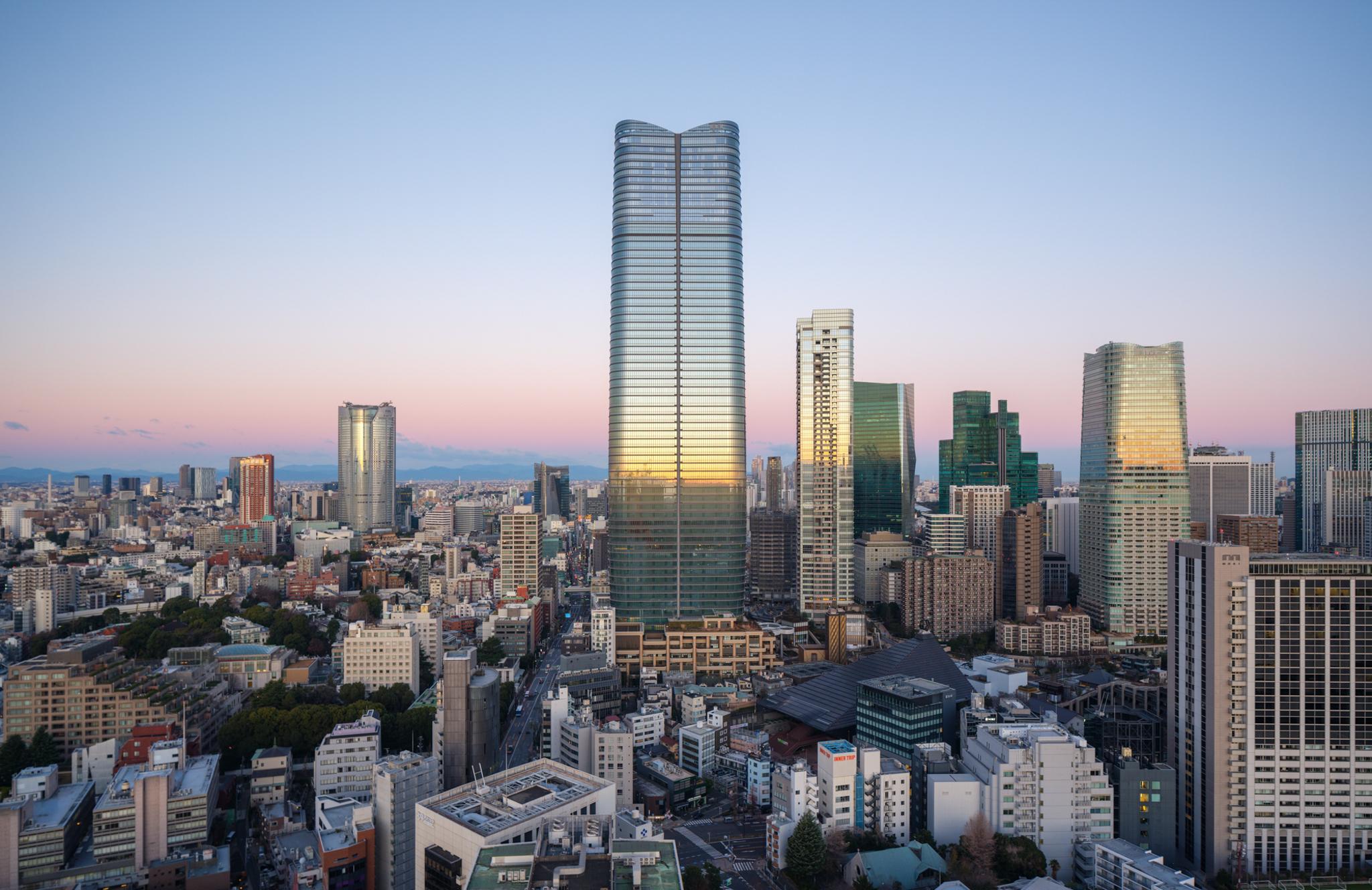
A major reason for July’s extraordinary figure was the release of high-end properties in Minato Ward, where average prices for some newly marketed units were around ¥500 million. In other words, the monthly average was heavily influenced by the type of properties that happened to enter the market.
Looking at a longer period gives a more balanced picture. During the first half of 2026, the average price of a new condominium in Tokyo’s 23 wards was approximately ¥142.49 million, still a substantial 9.1% increase from the previous year.
The bigger story, therefore, is not that every Tokyo condominium is suddenly worth ¥265 million.
It is that the upper end of Tokyo’s residential market continues to expand.
Areas such as Minato, Chiyoda and parts of Shibuya increasingly contain a category of housing that competes less with ordinary Japanese apartments and more with luxury residential markets in cities such as Singapore, Hong Kong, London and New York.
For international buyers, this creates an important distinction.
“Tokyo condominium prices” are becoming less useful as a single benchmark. A newly built luxury residence in Azabu or Toranomon can behave very differently from a 15-year-old condominium only a few stations away.
Building quality, developer brand, views, floor level, management, redevelopment potential and even the availability of large units can create enormous differences in value.
The record July figure should therefore be viewed less as evidence of a market-wide doubling and more as another sign of Tokyo’s increasing price polarization.
Premium properties are establishing a market of their own.
And as long as the supply of genuinely high-quality residences in central Tokyo remains limited, that segment may continue to move differently from the broader housing market.