Exclusive Access to Tokyo Real Estate
Exclusive Access to Tokyo Real Estate
Exclusive Access to Tokyo Real Estate
Exclusive
Exclusive
Exclusive


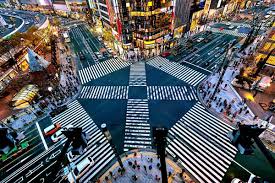
Tokyo Real Estate
Tokyo Real Estate
Tokyo Real Estate
for
for
for

Global Buyers
Global Buyers
Global Buyers
Access prime and off-market opportunities in Tokyo, curated for global investors and high-net-worth individuals.
Access prime and off-market opportunities in Tokyo, curated for global investors and high-net-worth individuals.
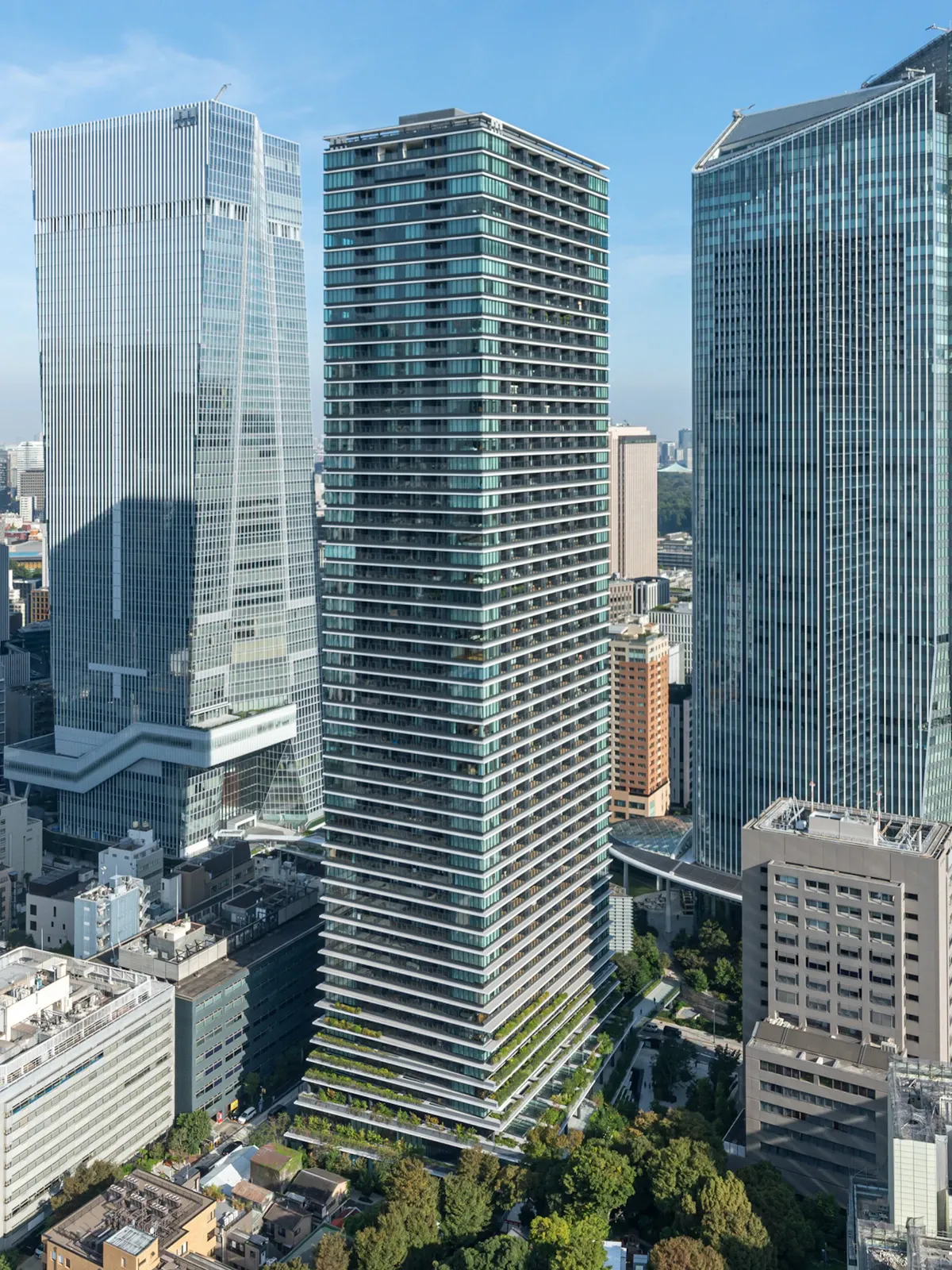
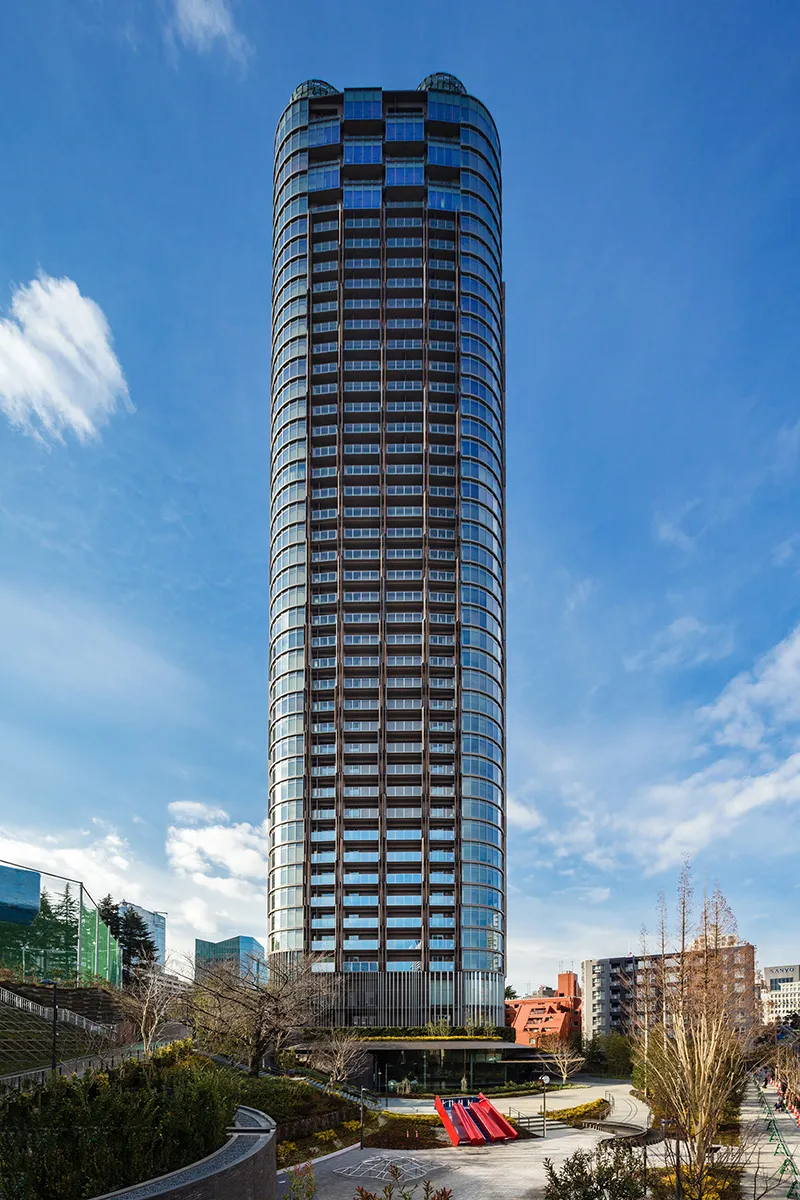
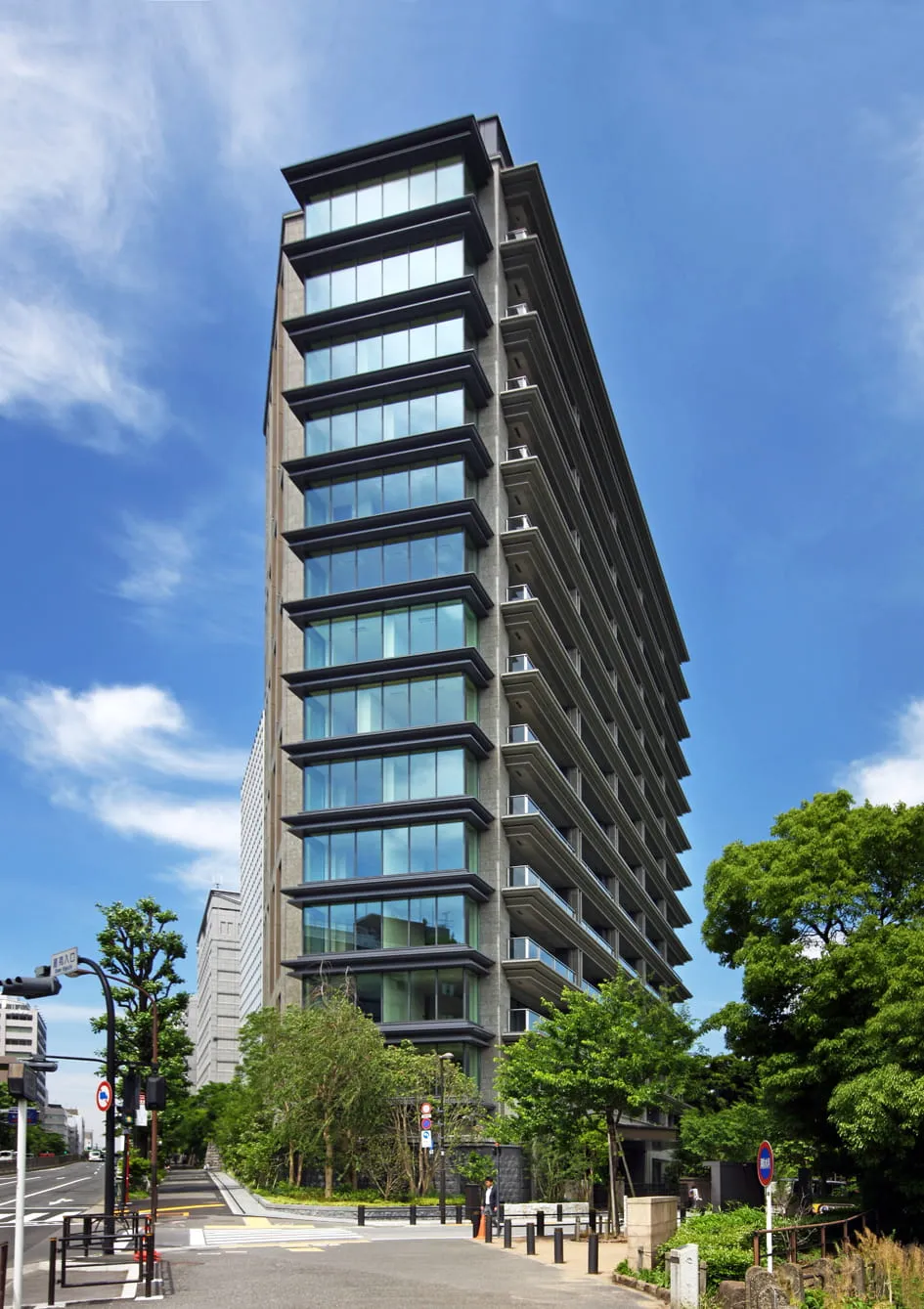
Signature Properties
Hanabusa Corporation specializes in representing exceptional real estate across Tokyo's most prestigious districts. We advise international investors and discerning buyers on the acquisition and sale of luxury condominiums, private residences, vacation homes, commercial buildings, apartment investments, and prime development sites. Complementing our brokerage expertise, we offer master leasing, bespoke property management, and access to Japan's leading architects and luxury custom home builders—delivering a comprehensive real estate experience tailored to the needs of global clients.
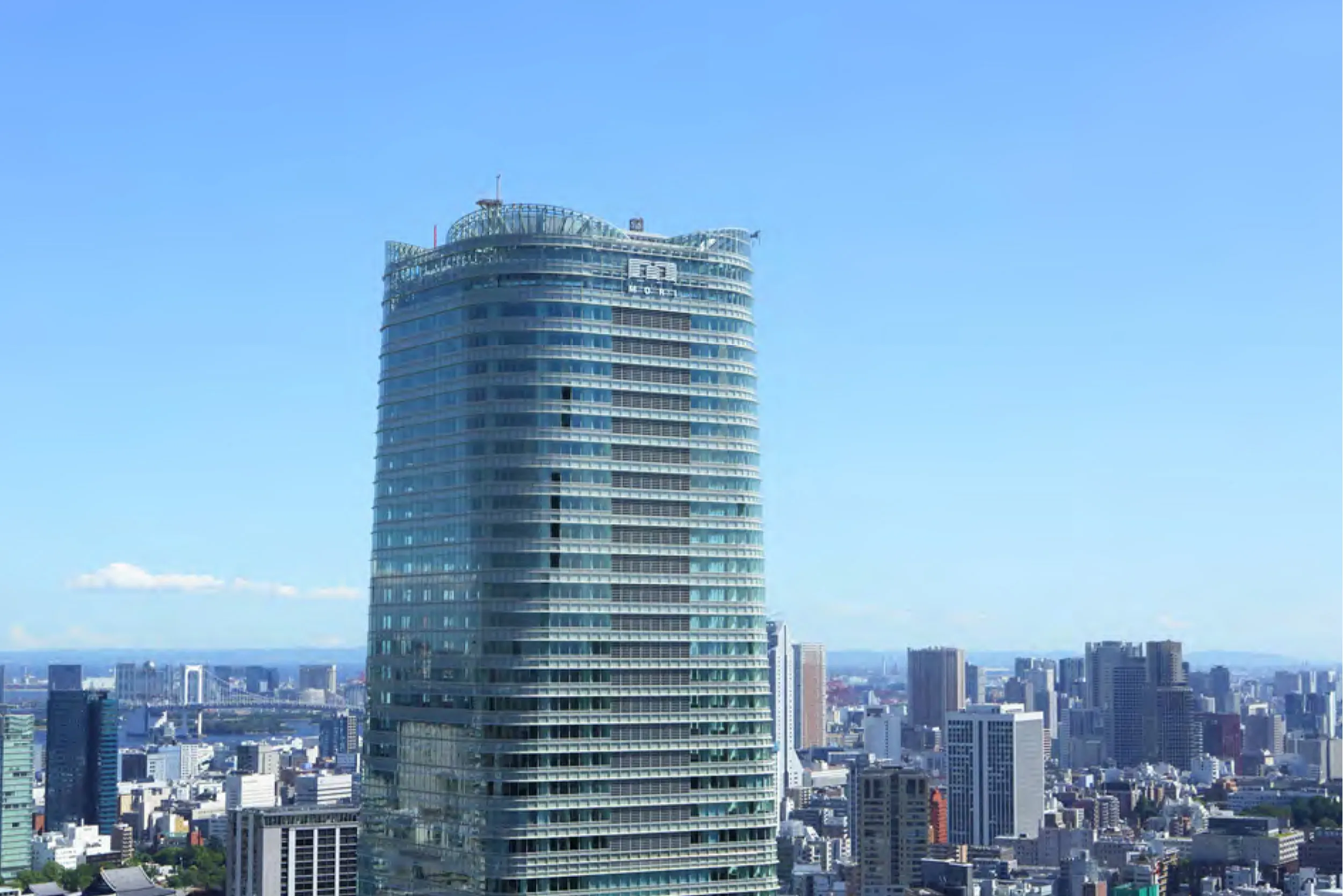
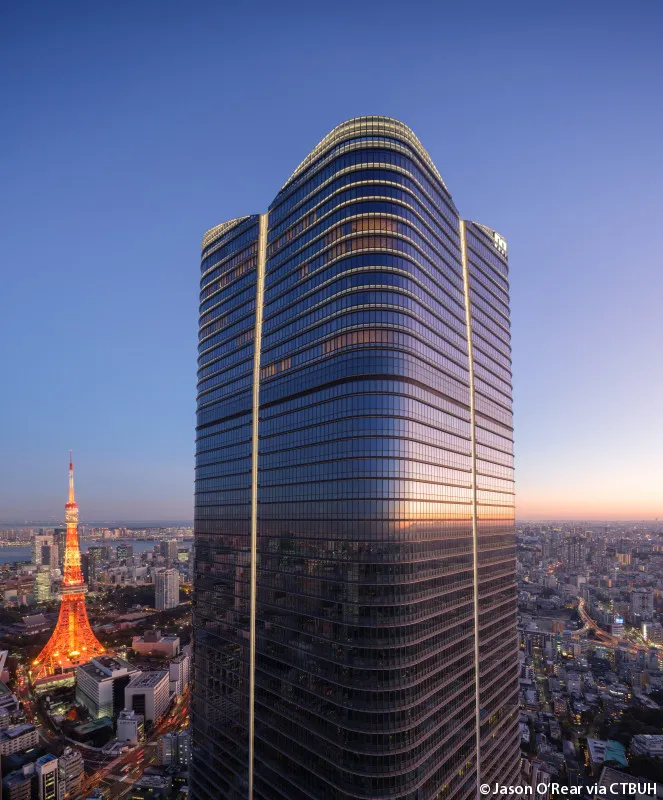
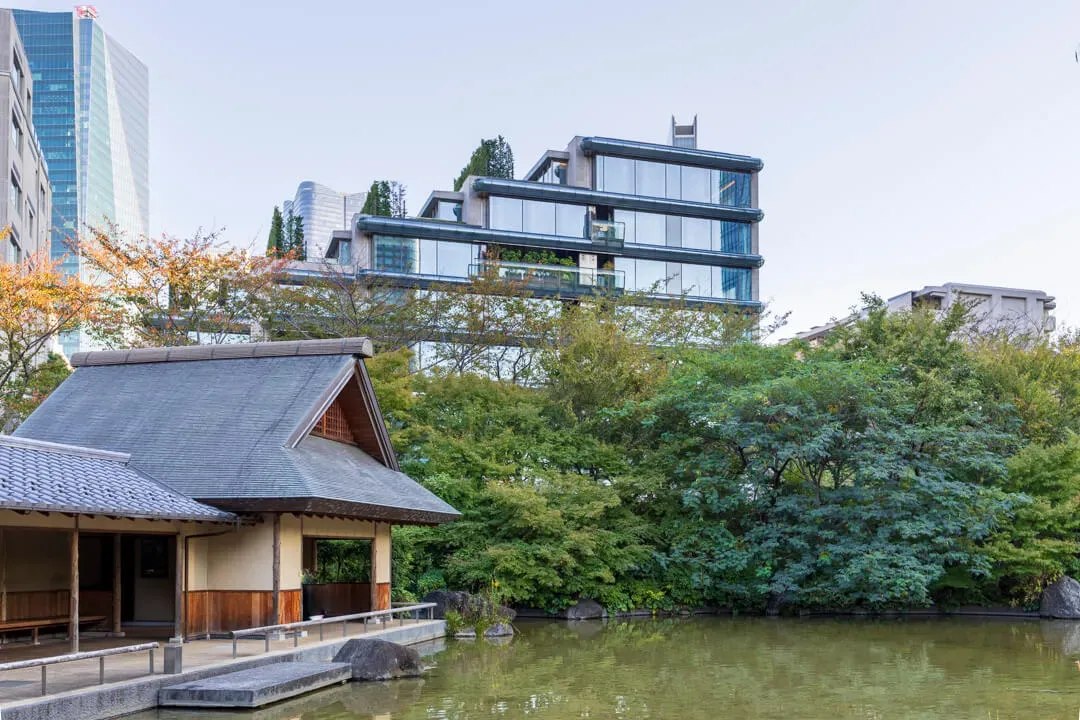



© 2026
18'
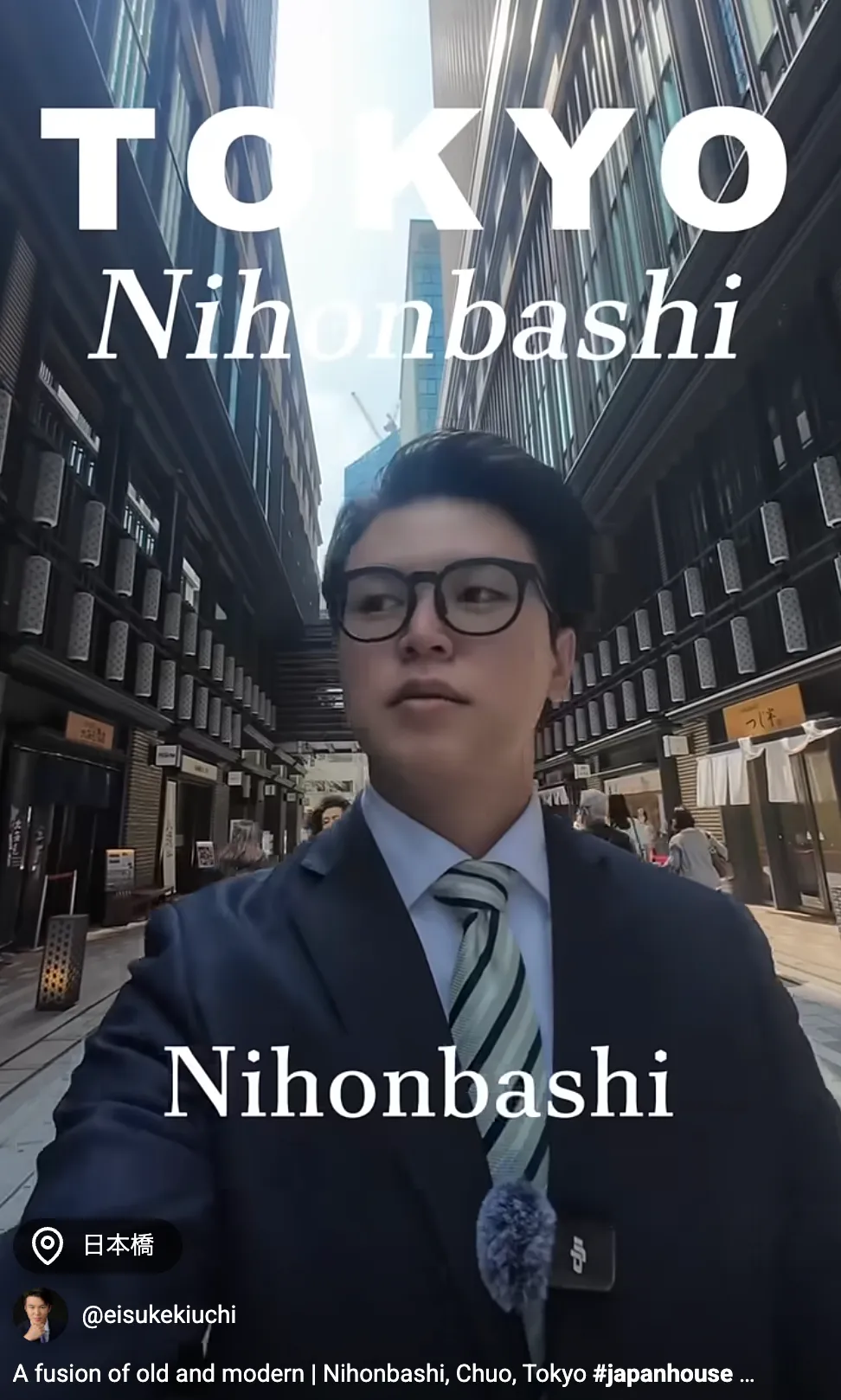
Discover the district where timeless Japanese craftsmanship, world-renowned luxury, and contemporary culture come together to create an experience found nowhere else.
The Heart of Tokyo
GiNZA
GiNZA

EIUSKE KIUCHI

CEO & Licensed Real Estate Agent
As the CEO of Hanabusa Corporation and a licensed real estate agent, I represent international buyers and sellers in the acquisition and sale of luxury residences, development sites, and investment assets located in Tokyo's premier neighborhoods. We also provide master leasing, luxury vacation home management, and tailored property services, ensuring every asset is professionally managed with discretion and care.

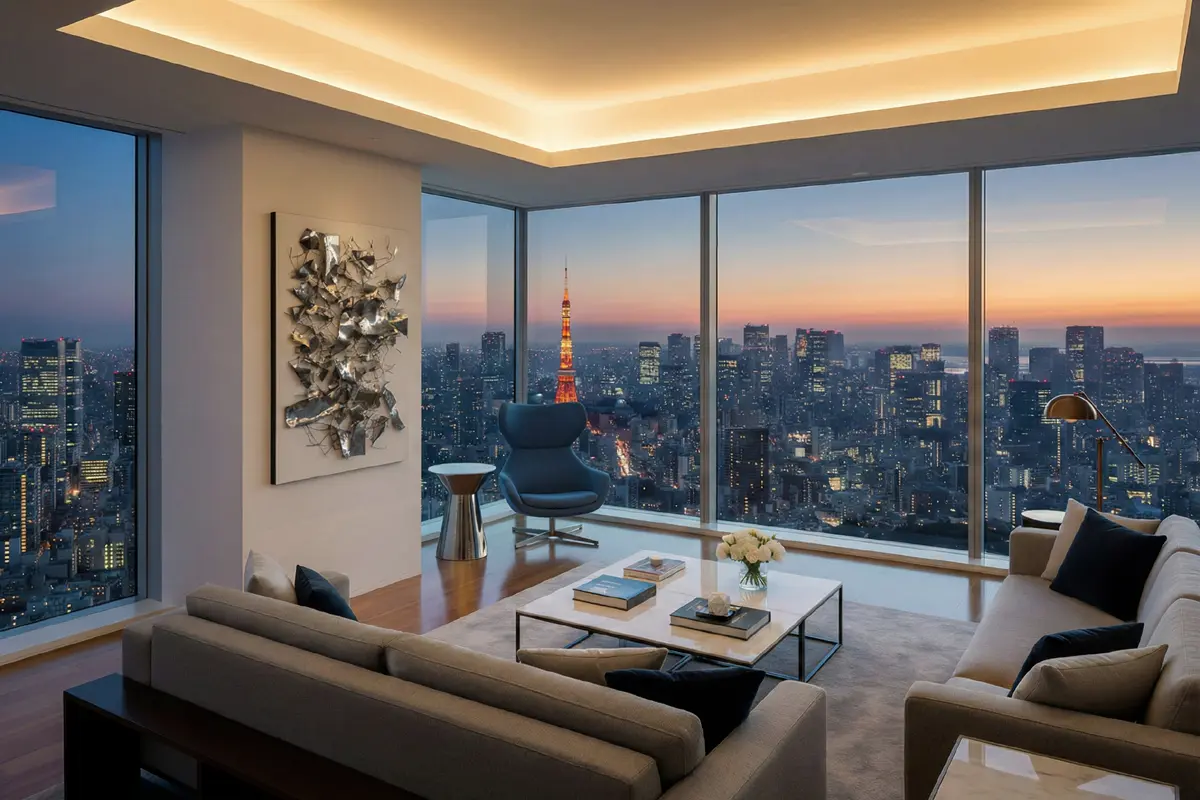

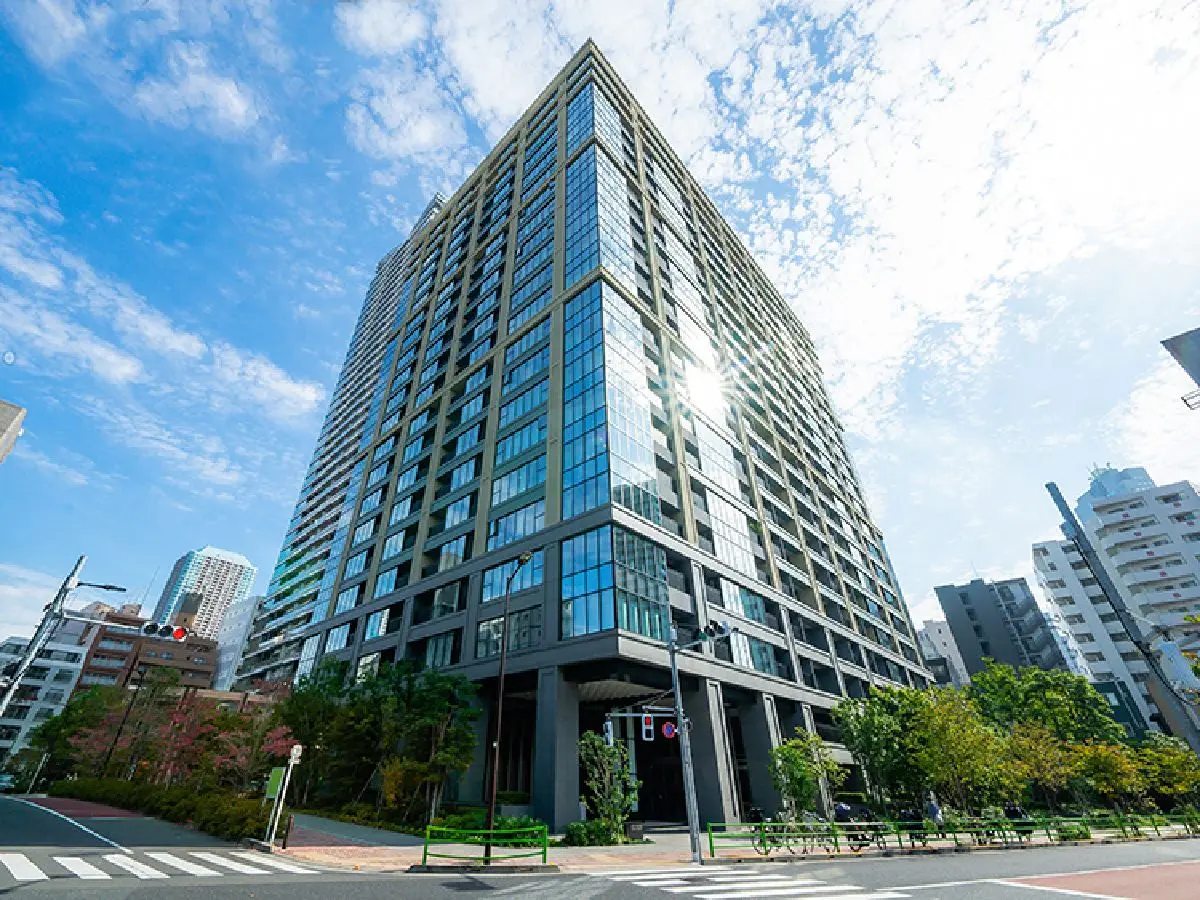
Tokyo’s resale condominium market is beginning to show an interesting contradiction.
Prices remain extremely high, but the number of properties available for sale is rising rapidly.
In July 2026, the average transaction price for a resale condominium in Tokyo’s three central wards — Chiyoda, Chuo and Minato — was approximately ¥130.95 million.
That was 3.6% higher than the previous month, although still 5.9% lower than a year earlier. The average transaction price has now risen for two consecutive months from its 2026 low in May.
At the same time, inventory is growing much faster.
There were 4,942 resale condominiums listed for sale in the three central wards in July, an increase of 50.5% year on year.
That is a major change in market conditions.
Another number is even more revealing.
The average asking price of listed properties was approximately ¥202.08 million, while the average transaction price was ¥130.95 million. The difference between those two market averages was more than ¥71 million.
This does not mean buyers are routinely negotiating ¥71 million discounts. The listed properties and the properties actually sold are not necessarily the same units.
But the data does highlight a growing disconnect between seller expectations and the prices buyers are actually accepting.
For several years, central Tokyo property owners became accustomed to rapidly rising prices. Many sellers are therefore entering the market with aggressive asking prices based on recent appreciation.
Buyers, however, appear to be becoming more selective.
July transaction volume in the three central wards totaled 228 units, down 18.6% from the previous year. Meanwhile, inventory continues to accumulate.
This could create opportunities.
Properties with exceptional characteristics — prestigious buildings, strong locations, high floors, views, large floor plans or recently renovated interiors — may continue to command premium pricing.
Ordinary units priced as though they were exceptional may have a harder time finding buyers.
For investors and overseas buyers, this is potentially a healthier market.
Instead of feeling pressure to purchase immediately because prices are rising everywhere, buyers may increasingly be able to compare several properties, analyze transaction data and negotiate with sellers whose units have remained on the market for longer periods.
Tokyo has not suddenly become a buyer’s market.
But after years of extremely strong price growth, negotiating power may slowly be returning to buyers in certain parts of the resale market.

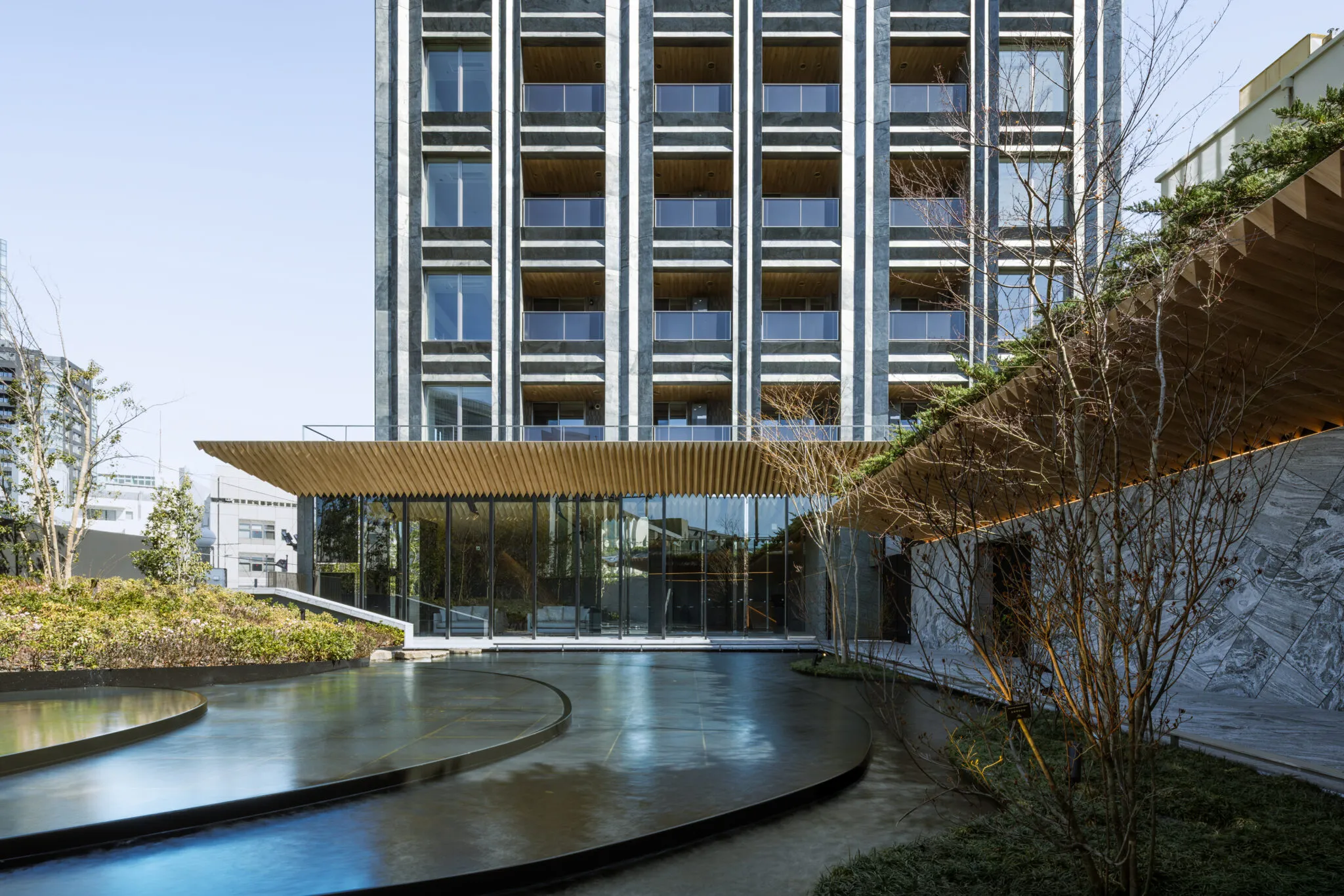

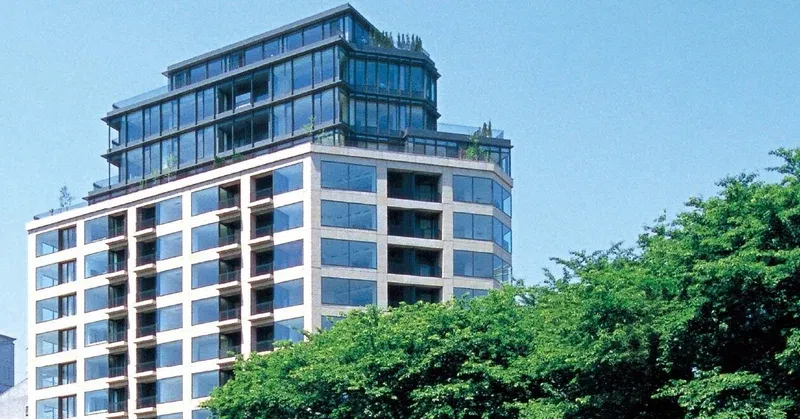
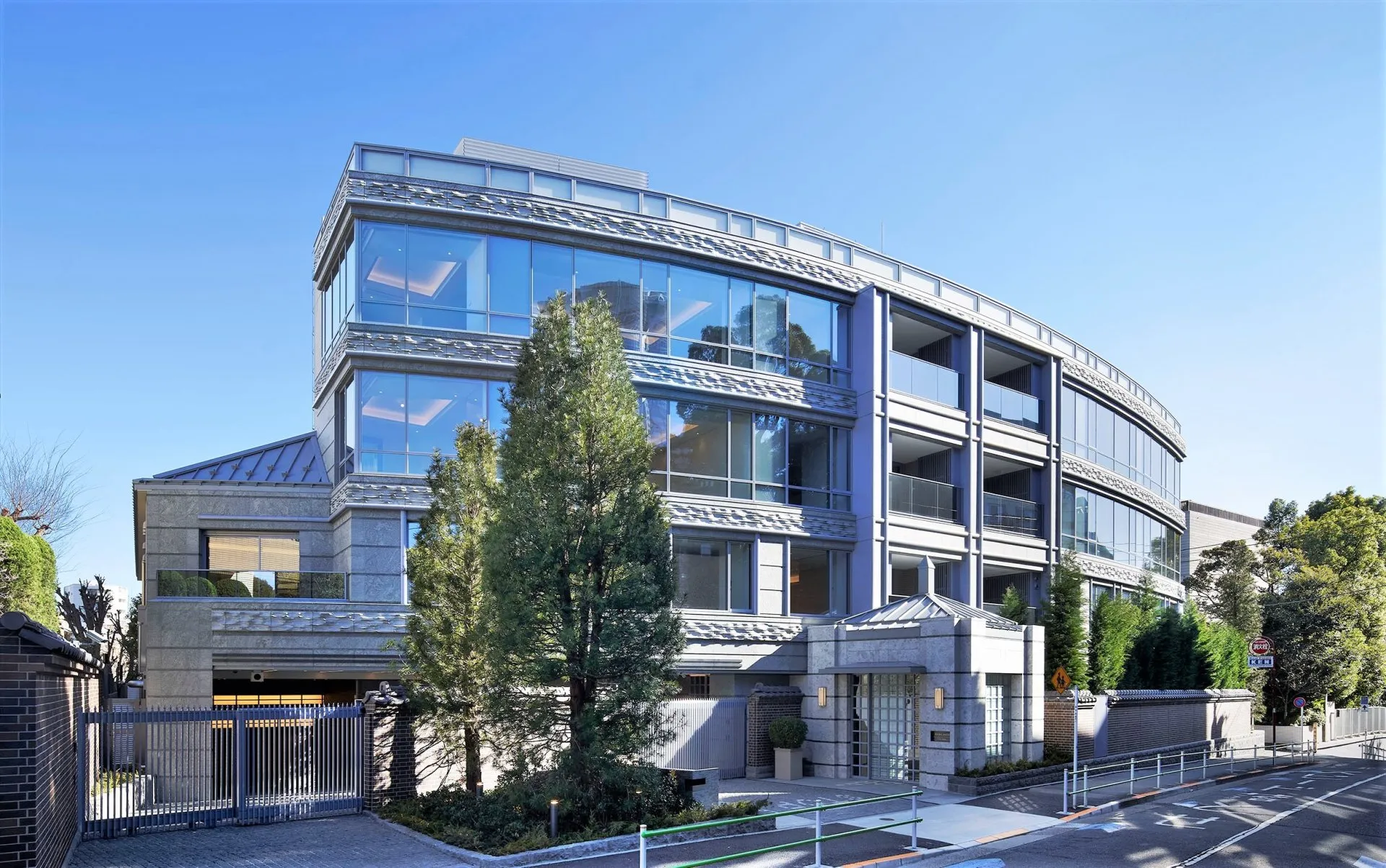
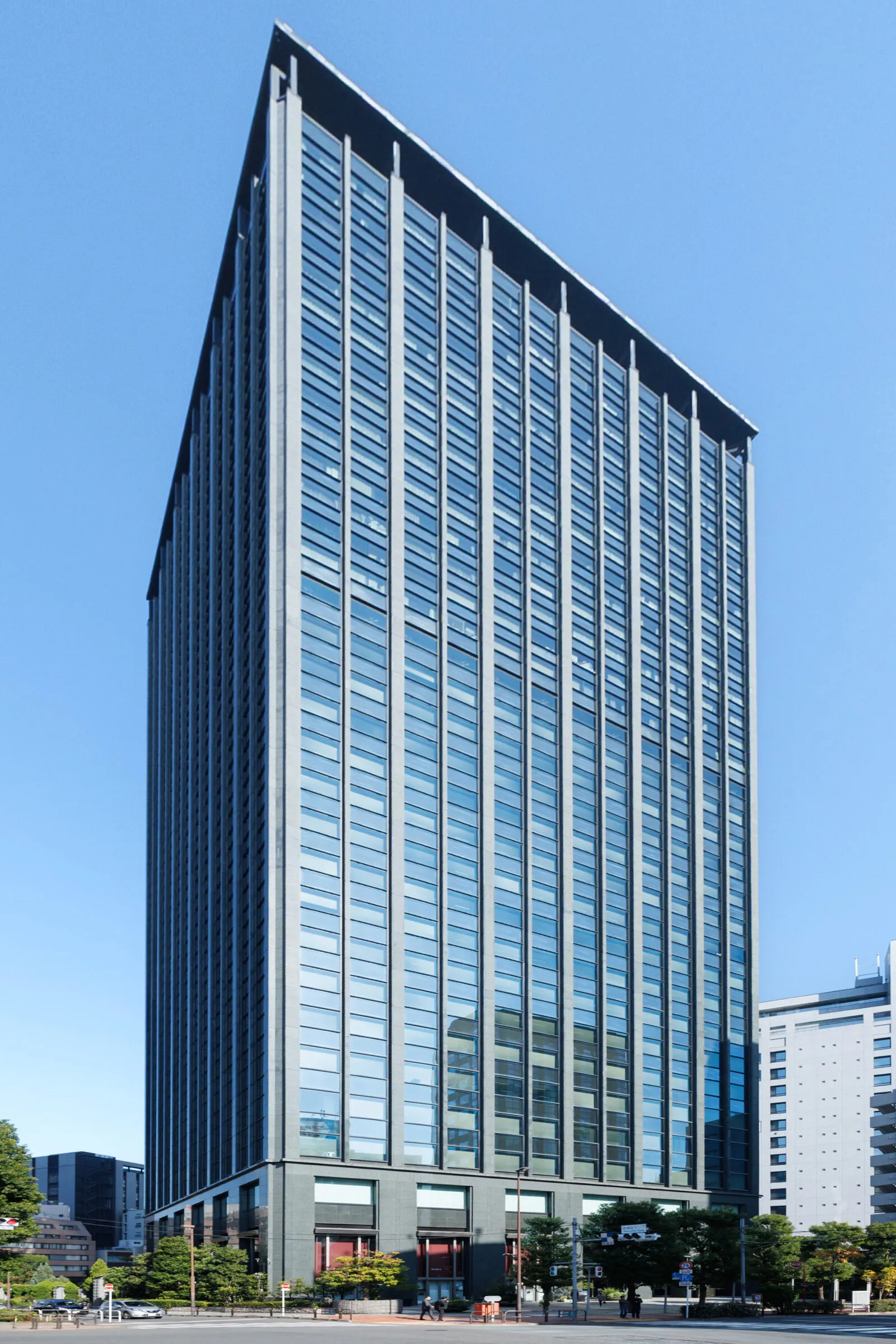
Property Category
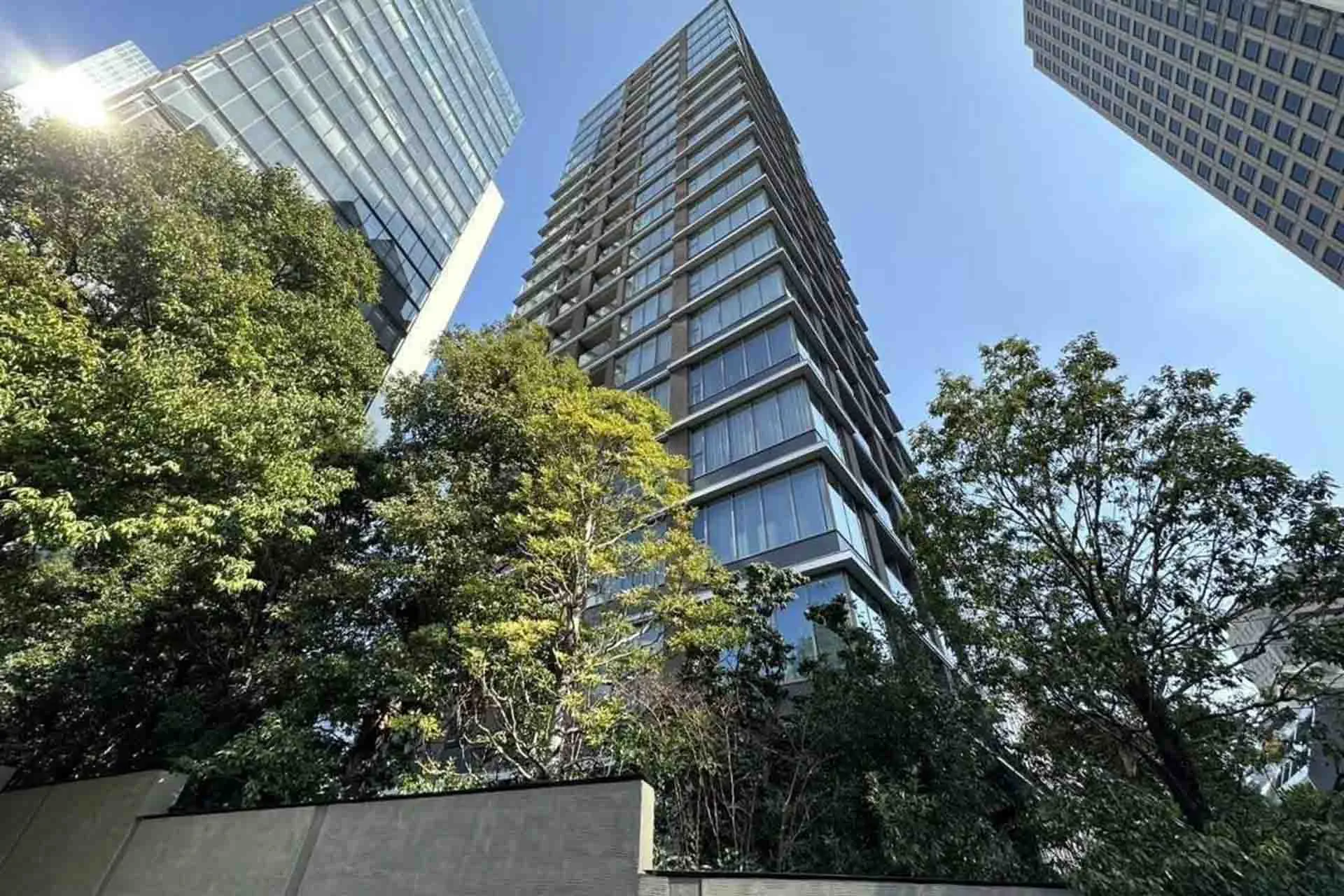
Discover a carefully curated portfolio across Tokyo’s five central wards, from prime investment properties and luxury residences to newly built homes and exceptional land. We focus on opportunities distinguished by location, quality, scarcity, and enduring value for international buyers and investors.

Private Collection
Houses

Premier Collection
Condos
Condos

Investment Collection
Assets

Development Land
Land
Land
Tokyo Property Newsletter
Tokyo, delivered to your inbox.
Tokyo real estate and local insights, delivered weekly.
FAQ
Answers to the questions that matter most when buying, selling, or investing in Japanese real estate.
Can non-residents purchase and own real estate in Japan?
Yes. There are no restrictions on foreign ownership of real estate in Japan.
Is financing available for non-resident buyers?
Financing options are limited for non-residents. We primarily work with clients purchasing in cash.
Do you assist with property management after purchase?
Yes. We arrange trusted third-party management services for both investment properties and second homes.
Can you assist with renovation or customization?
Yes. We offer renovation coordination for selected properties above a certain price range.
Do you offer access to off-market properties?
Yes. We provide access to select off-market opportunities not publicly listed.
Do you assist with furnishing and appliance setup?
Yes. We coordinate furnishing and appliance setup through selected partners, tailored to each property.

Tokyo has never lacked excellent Chinese restaurants. But a new opening in Hiroo illustrates how the city’s dining scene is moving beyond the traditional idea of restaurants being defined only by cuisine.
KAIFAN TOKYO, which opened on August 11 in Hiroo, is a Chinese dining room and bar created by filmmaker and creative director Yuann, also known as Gen Yoshida. The concept combines traditional Chinese cooking with contemporary design, art, natural wine and late-night bar culture.
The name “Kaifan” comes from a Chinese expression meaning roughly “food is ready” — an invitation to gather around the table.
That casual spirit is important.
Rather than presenting Chinese cuisine as formal banquet dining, the restaurant serves familiar dishes with modern interpretations. Its menu includes items such as shizitou, the large pork meatball associated with China’s Jiangnan region, alongside dim sum and other small plates. After dinner service, the restaurant transitions into a bar from around 10 p.m.
But perhaps the most interesting part of KAIFAN is its location.
Hiroo sits between some of Tokyo’s most international residential neighborhoods: Ebisu, Azabu and Minami-Azabu. Embassies, international schools and affluent Japanese and foreign residents have helped create a dining market where restaurants do not necessarily need to fit neatly into traditional categories.
A restaurant can be Chinese, a cocktail bar, a design project and a cultural space simultaneously.
That reflects a wider change taking place across central Tokyo.
For decades, the city’s reputation overseas was largely built around Japanese cuisine: sushi, tempura, yakitori and ramen.
Today, Tokyo's appeal is increasingly different.
The city is becoming one of Asia's most interesting places to experience international food interpreted through Japanese ingredients, aesthetics and service culture.
Tokyo's 2026 Michelin selection demonstrates the same phenomenon. Restaurants recognized by the guide range from traditional Japanese cuisine to Austrian, French and Thai concepts, often incorporating Japanese ingredients or techniques.
The result is a dining culture that is difficult to describe simply as “Japanese food.”
Instead, Tokyo is increasingly becoming a place where cuisines from around the world are absorbed, refined and reinterpreted.
KAIFAN TOKYO is a small example of that much larger transformation.
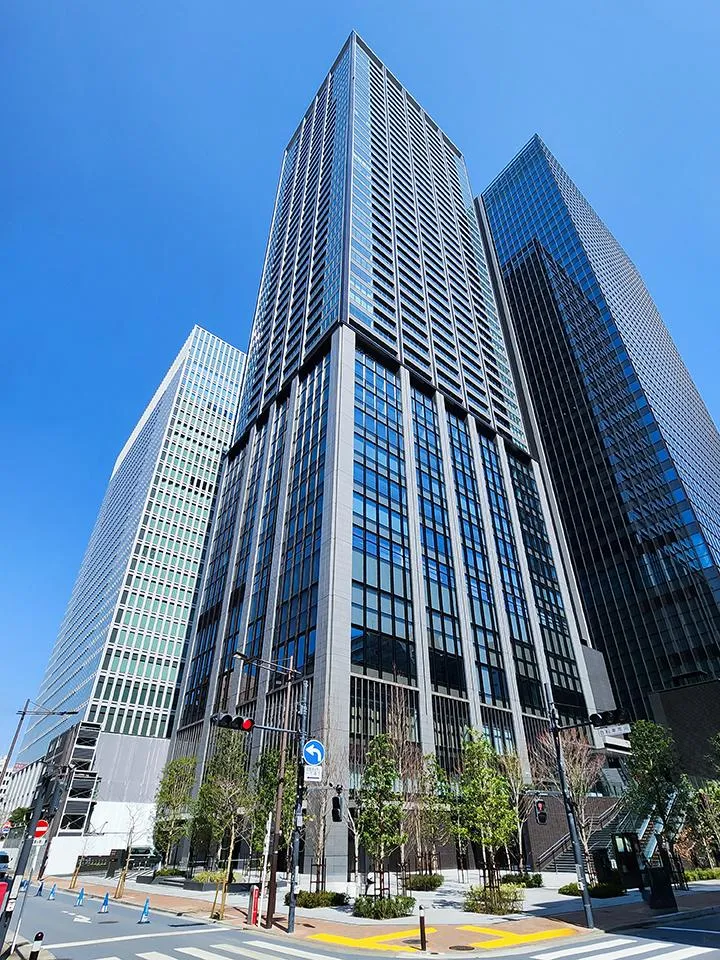
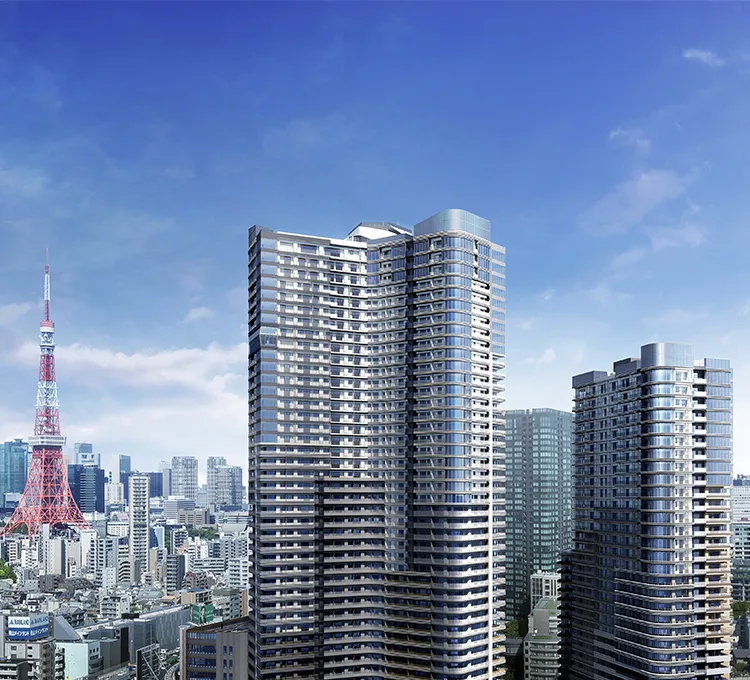
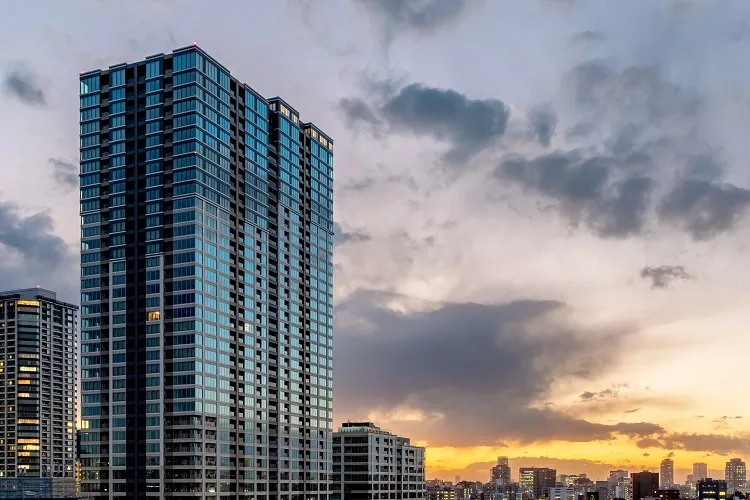
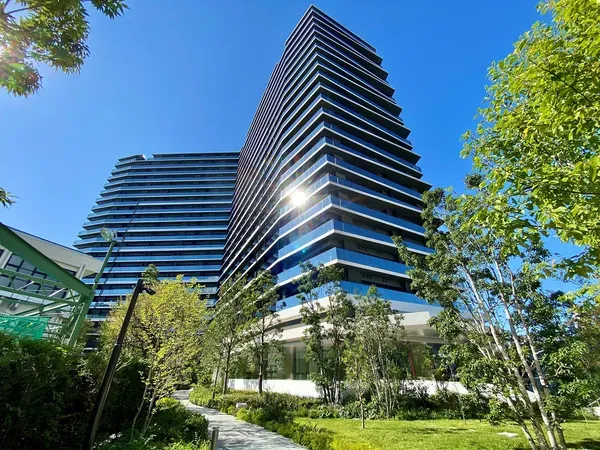
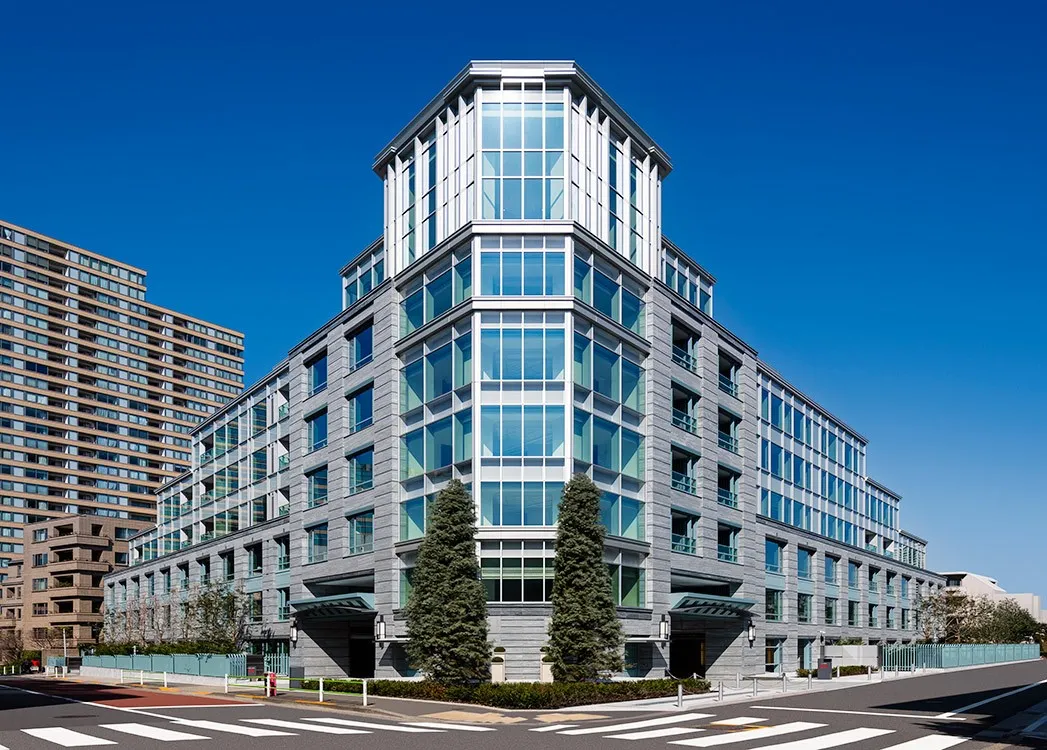
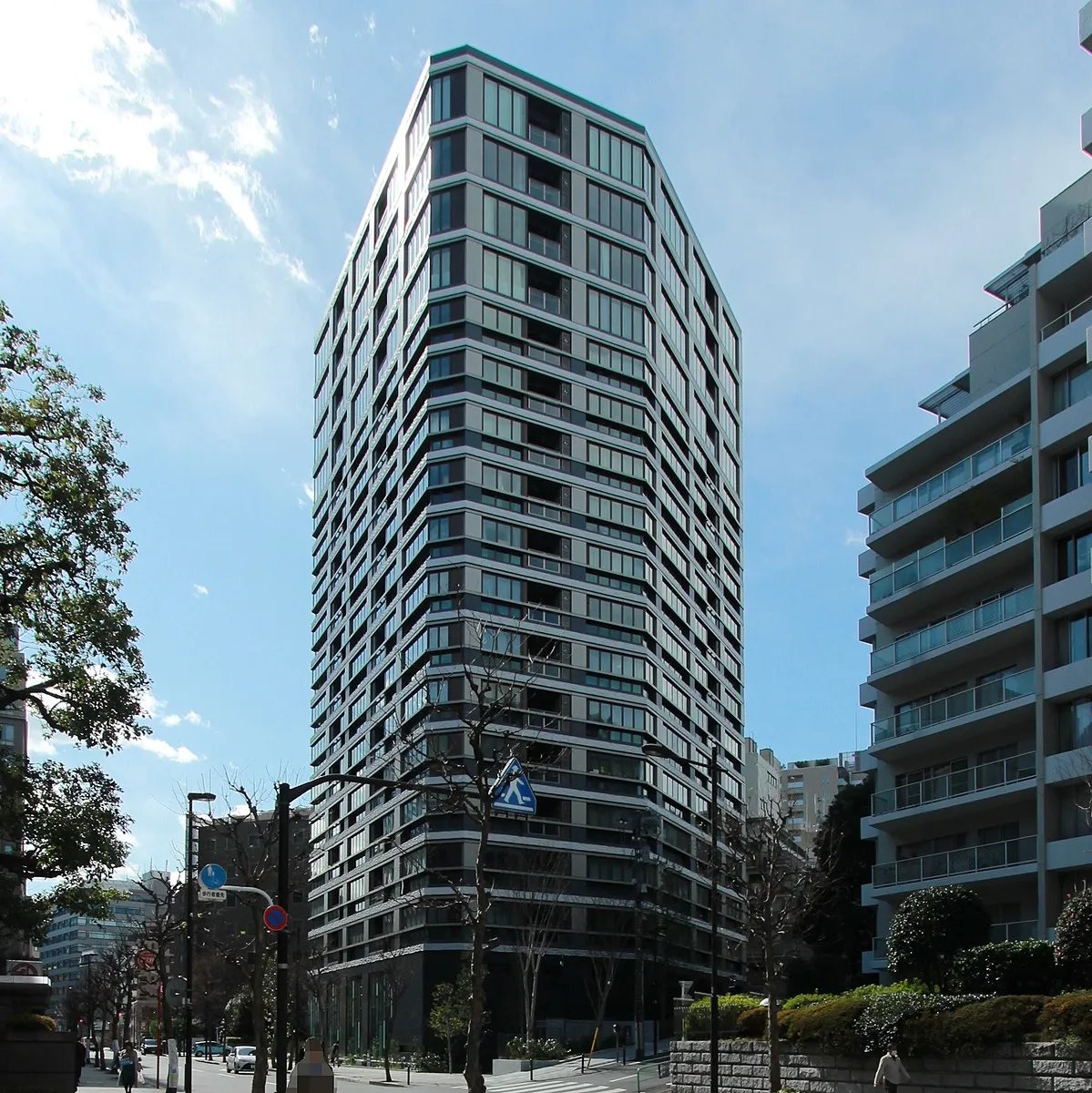
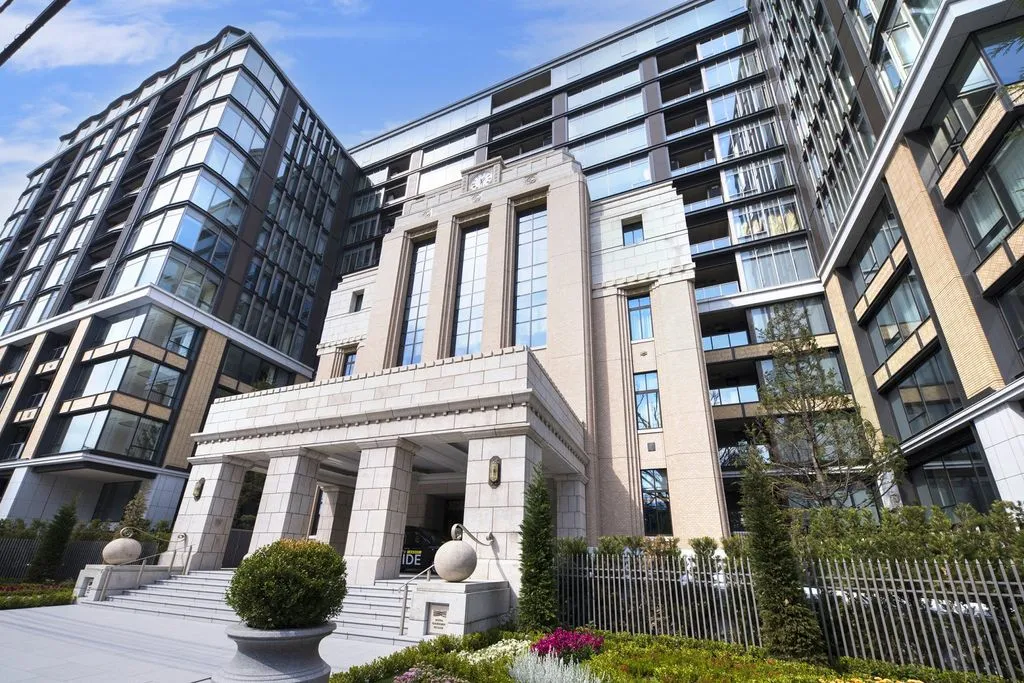
Chiyoda City
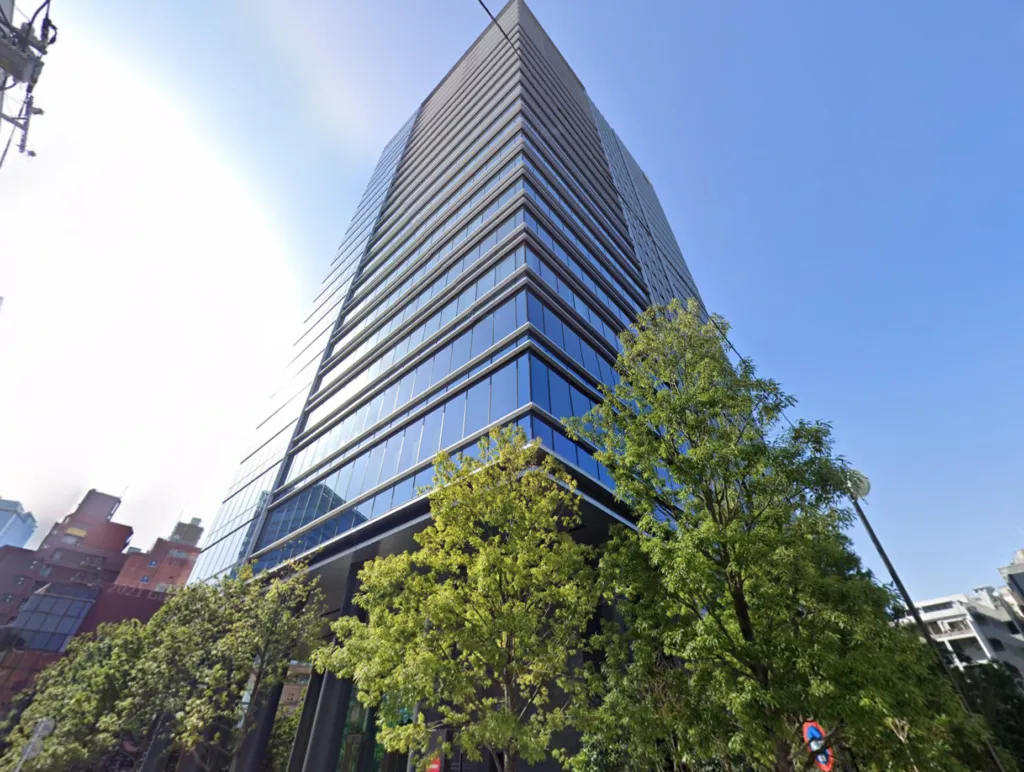

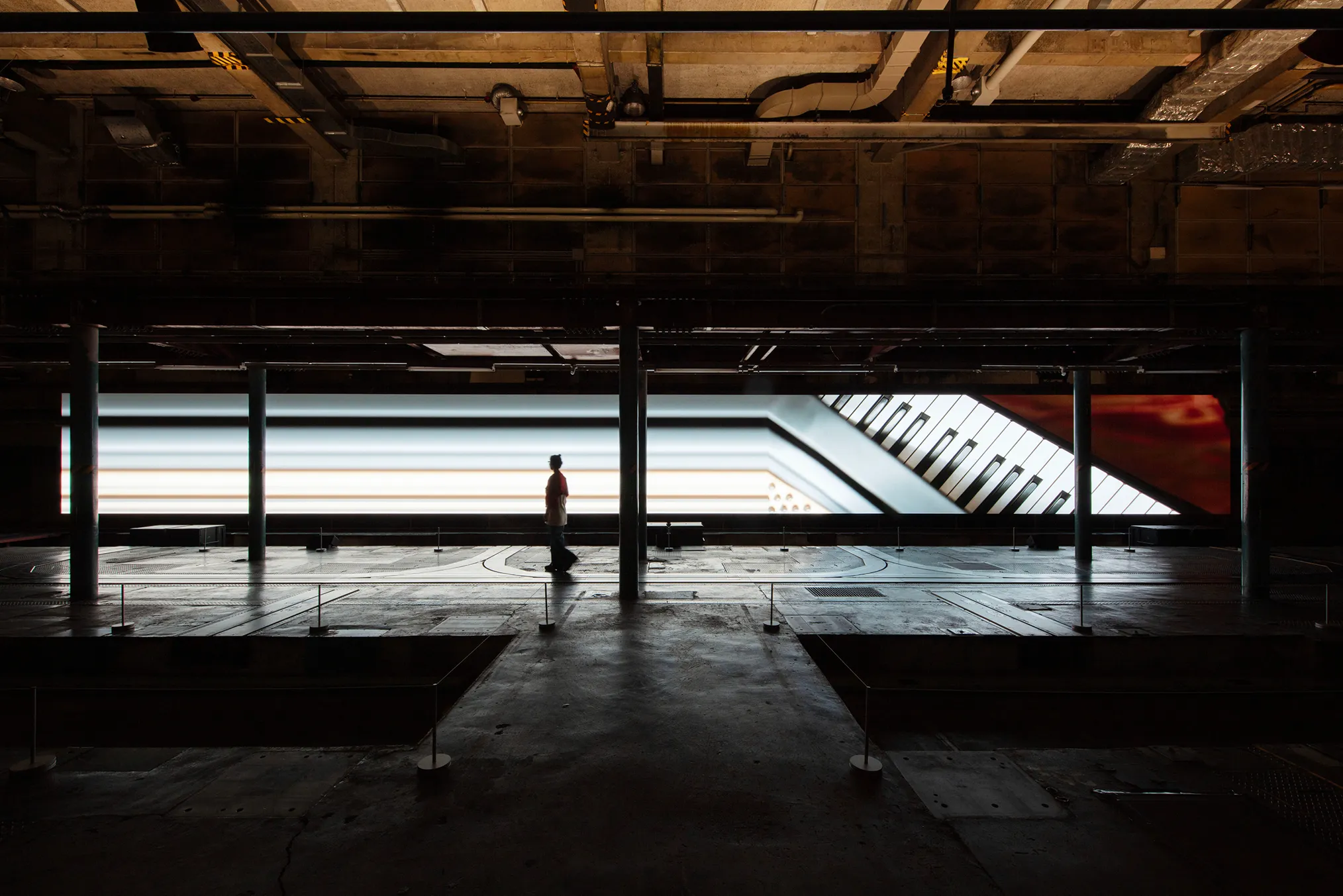
One of Tokyo's most anticipated cultural exhibitions of late summer opens this Friday.
From August 28 through October 25, Azabudai Hills Gallery will host RYUICHI SAKAMOTO + SHIRO TAKATANI AMBIENT KYOTO – TOKYO, bringing the installation async – immersion to Tokyo for the first time.
The work combines music by Ryuichi Sakamoto with visuals by Shiro Takatani and three-dimensional sound reconstructed for the gallery by sound director ZAK.
At the center of the installation is an enormous 26.4-meter-wide screen.
The project is based on Sakamoto's 2017 album async and his idea of “installed music” — music treated not simply as something played through speakers, but as something positioned and experienced spatially.
That makes Azabudai Hills an interesting setting.
When the complex opened, much of the international attention focused on its architecture, luxury residences, offices and restaurants.
But large redevelopment projects in Tokyo are increasingly expected to provide something more than buildings.
They need culture.
Museums, galleries, public art, landscaping, restaurants and events help turn real estate developments into destinations.
Azabudai Hills already contains teamLab Borderless and the Azabudai Hills Gallery. Bringing Sakamoto's work into the complex reinforces the idea that contemporary Tokyo development is as much about creating experiences as creating physical space.
There is also something particularly fitting about experiencing Sakamoto in Tokyo this way.
He was an artist whose career continuously crossed boundaries: Japanese and international, electronic and acoustic, commercial and experimental, music and environmental activism.
Rather than presenting his work as a conventional retrospective, async – immersion asks visitors to enter it physically.
Sound, image, architecture and the movement of the audience become part of the work.
For visitors interested in understanding contemporary Tokyo, this may be more revealing than another observation deck.
Tokyo's identity is increasingly found at the intersection of architecture, technology, art and public space.
And few artists represent that intersection better than Ryuichi Sakamoto.
Our Services
Comprehensive real estate services for buying, selling, and investing in Japan.
Sales Brokerage
Exclusive representation for buying and selling Tokyo's finest residential and investment properties.
3
%
+ ¥60,000
+ 10% TAX
English Assistance
Residential & Commercial Properties
Off-Market Opportunities
Negotiation & Closing Support
Master Lease
Turning property ownership into a fully operational investment through professional leasing and tenant placement.
10
%
~
of rental income
Tenant Acquisition
Lease Administration
Investor Support
Long-Term Operations
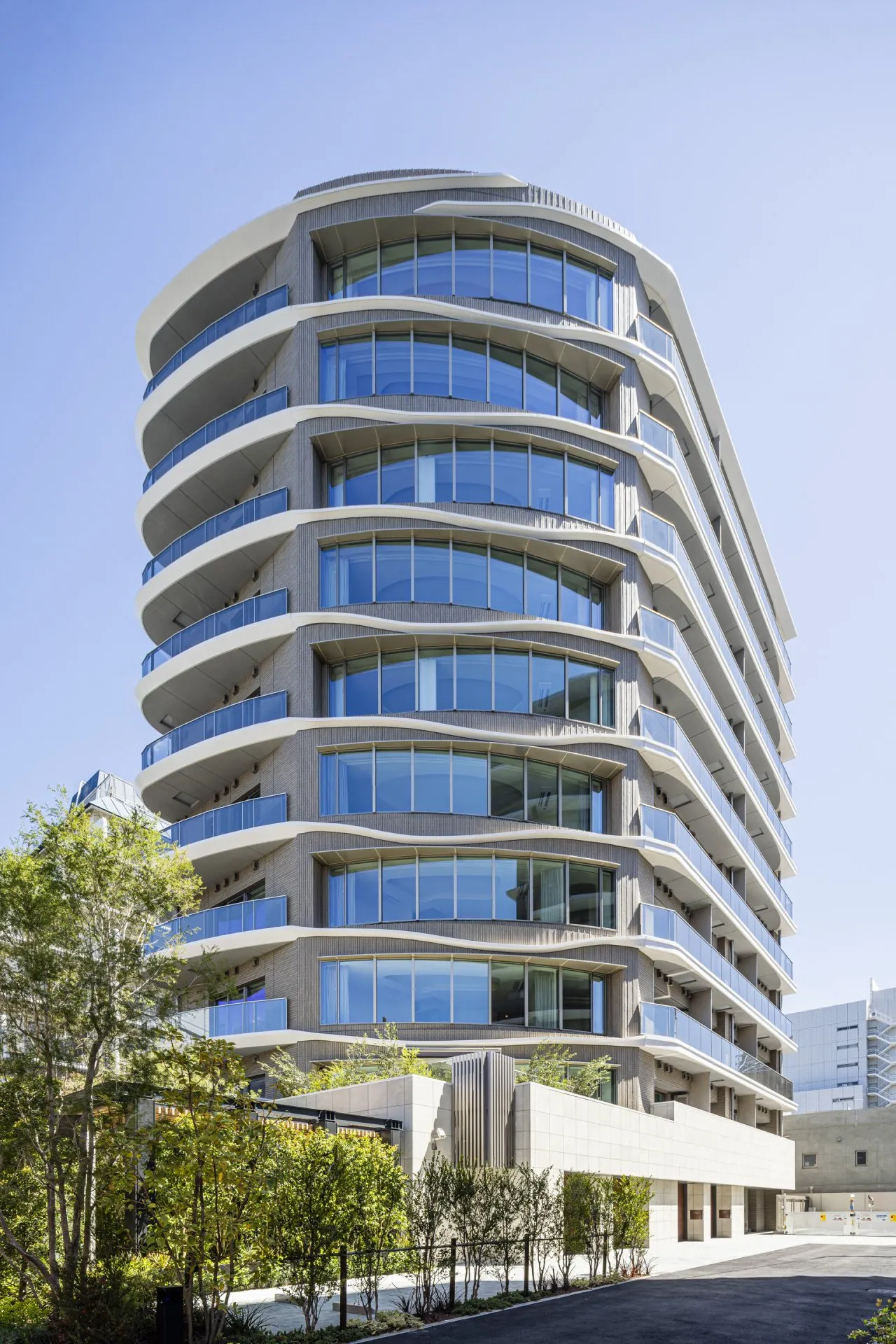
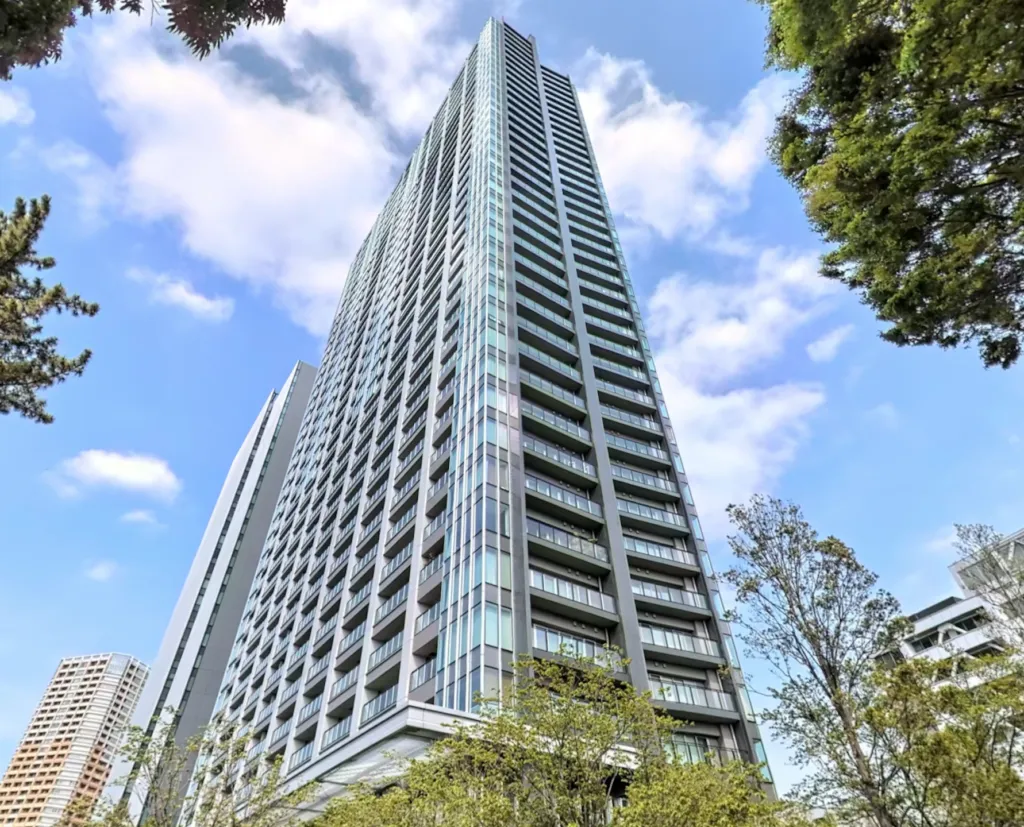
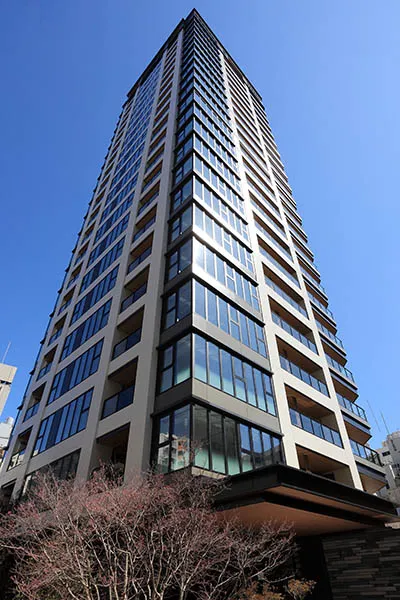


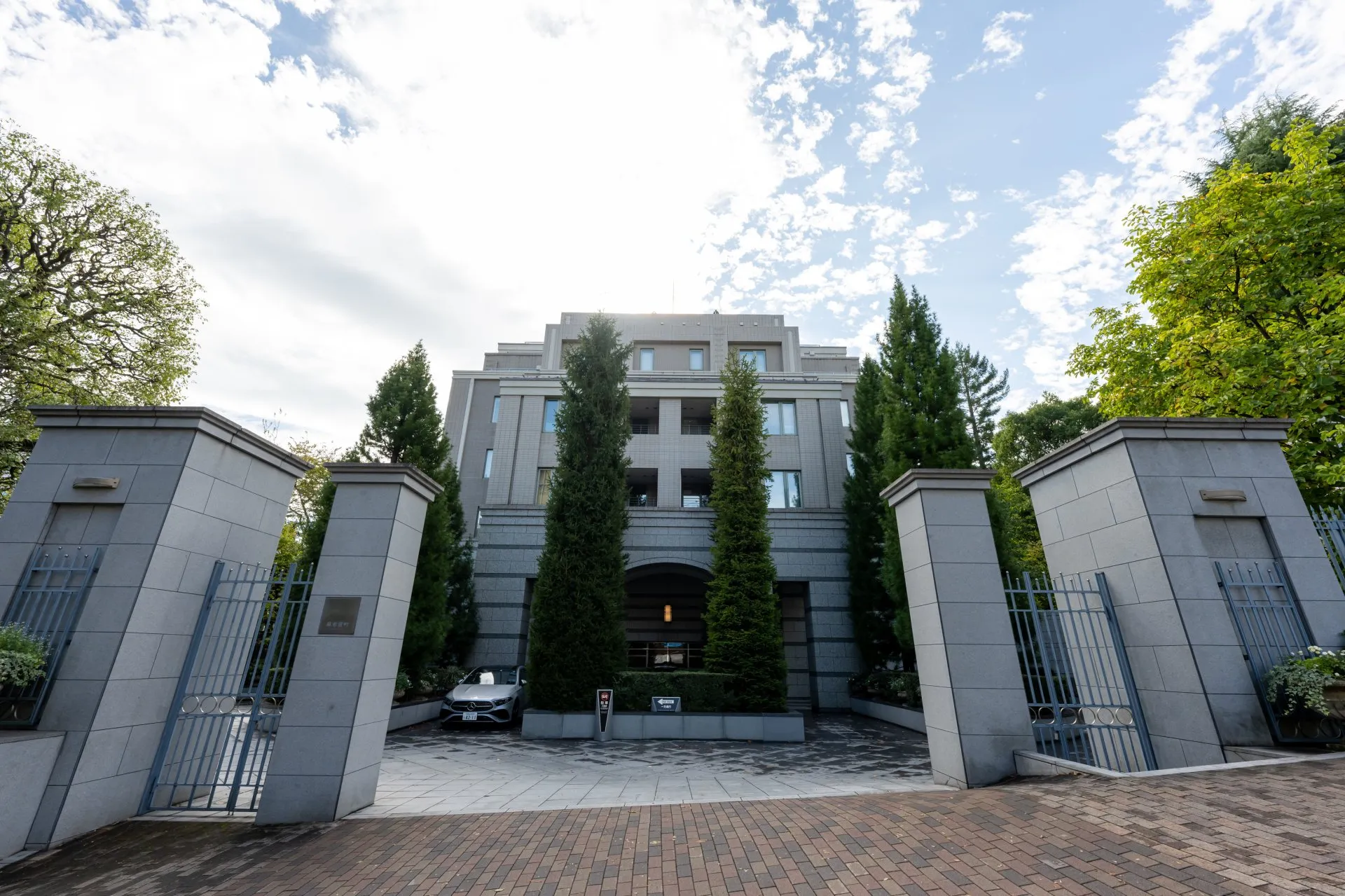

Tokyo’s resale condominium market is beginning to show an interesting contradiction.
Prices remain extremely high, but the number of properties available for sale is rising rapidly.
In July 2026, the average transaction price for a resale condominium in Tokyo’s three central wards — Chiyoda, Chuo and Minato — was approximately ¥130.95 million.
That was 3.6% higher than the previous month, although still 5.9% lower than a year earlier. The average transaction price has now risen for two consecutive months from its 2026 low in May.
At the same time, inventory is growing much faster.
There were 4,942 resale condominiums listed for sale in the three central wards in July, an increase of 50.5% year on year.
That is a major change in market conditions.
Another number is even more revealing.
The average asking price of listed properties was approximately ¥202.08 million, while the average transaction price was ¥130.95 million. The difference between those two market averages was more than ¥71 million.
This does not mean buyers are routinely negotiating ¥71 million discounts. The listed properties and the properties actually sold are not necessarily the same units.
But the data does highlight a growing disconnect between seller expectations and the prices buyers are actually accepting.
For several years, central Tokyo property owners became accustomed to rapidly rising prices. Many sellers are therefore entering the market with aggressive asking prices based on recent appreciation.
Buyers, however, appear to be becoming more selective.
July transaction volume in the three central wards totaled 228 units, down 18.6% from the previous year. Meanwhile, inventory continues to accumulate.
This could create opportunities.
Properties with exceptional characteristics — prestigious buildings, strong locations, high floors, views, large floor plans or recently renovated interiors — may continue to command premium pricing.
Ordinary units priced as though they were exceptional may have a harder time finding buyers.
For investors and overseas buyers, this is potentially a healthier market.
Instead of feeling pressure to purchase immediately because prices are rising everywhere, buyers may increasingly be able to compare several properties, analyze transaction data and negotiate with sellers whose units have remained on the market for longer periods.
Tokyo has not suddenly become a buyer’s market.
But after years of extremely strong price growth, negotiating power may slowly be returning to buyers in certain parts of the resale market.
Contact Us
Reach out for expert guidance on Japanese real estate.
Real Estate in Tokyo
Discover
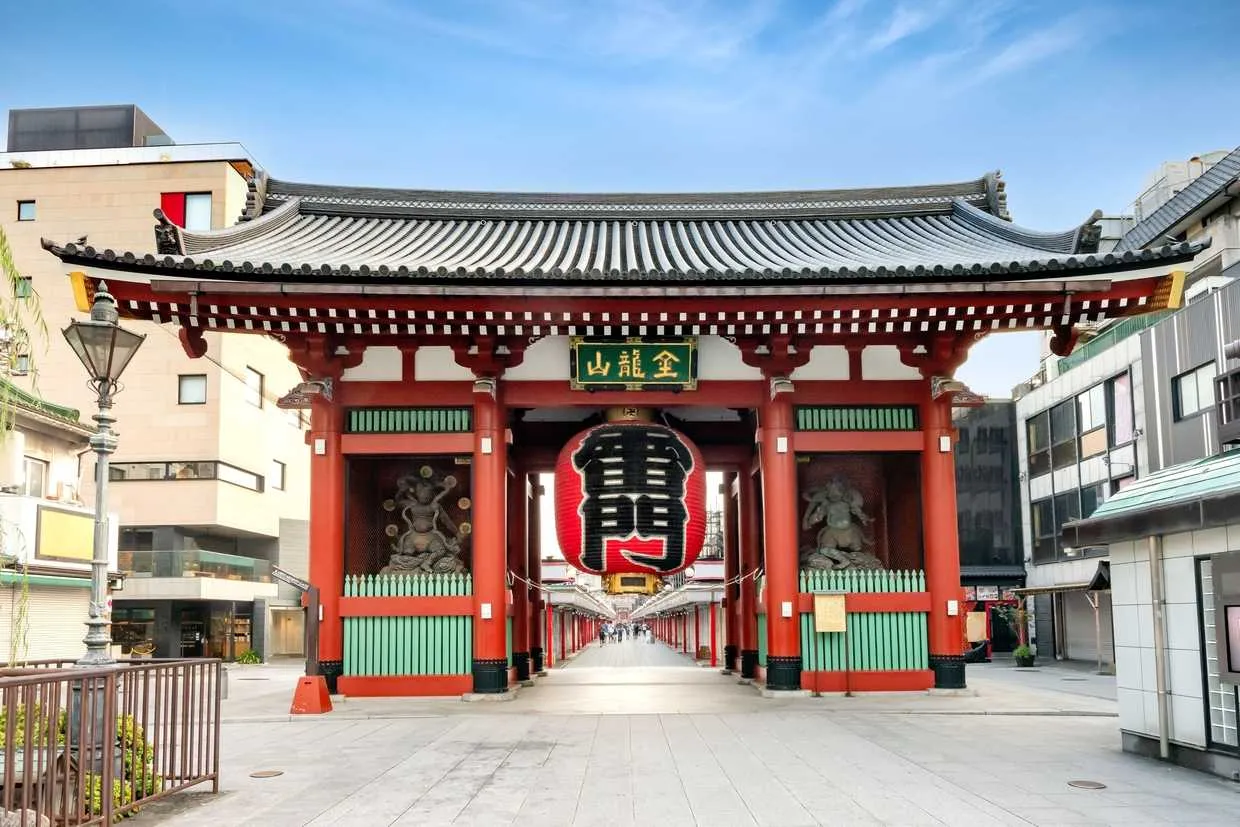
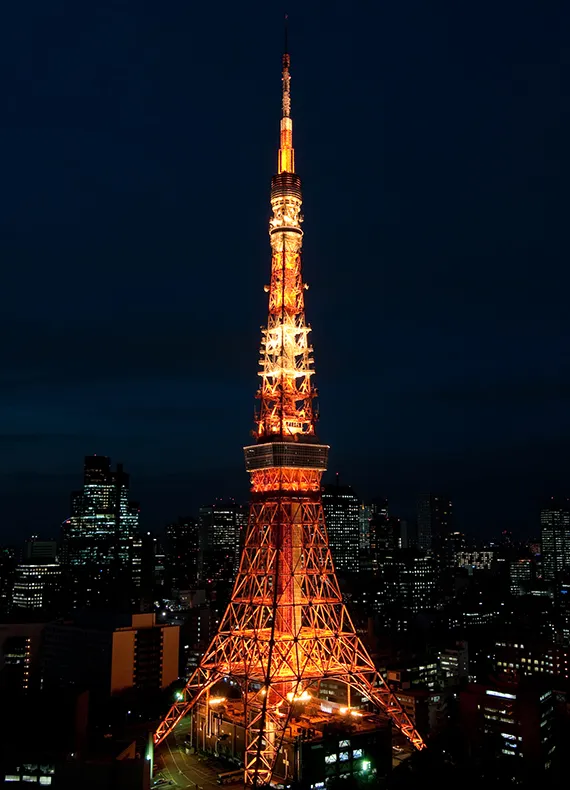
 your place
 .
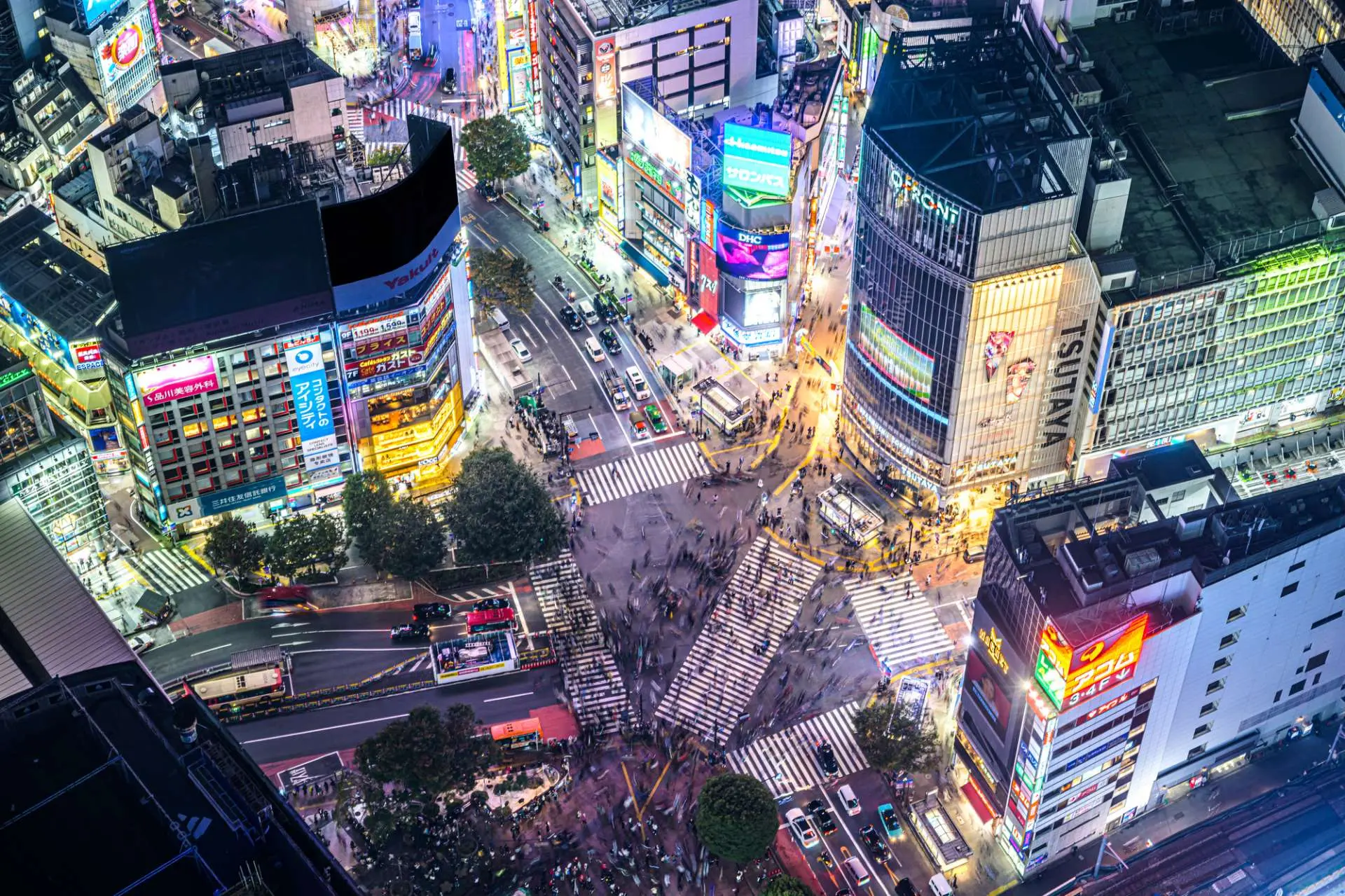
in Tokyo!
Own your future!
Discover
.
in Tokyo!
© 2026 Hanabusa Corporation. All Rights Reserved.
Hanabusa Corporation
13F, Pacific Century Place Marunouchi, 1-11-1 Marunouchi, Chiyoda-ku, Tokyo
Real Estate License: The Governor of Tokyo (1) No. 112321
Hanabusa Corporation, the Hanabusa Corporation logo, and related names, logos, designs, and branding are trademarks or intellectual property of Hanabusa Corporation. Unauthorized reproduction, distribution, or commercial use is prohibited. All property information presented on this website is provided for informational purposes only and is believed to be reliable at the time of publication. However, Hanabusa Corporation makes no representation or warranty as to its accuracy, completeness, or current availability. Property details, prices, floor areas, lot sizes, yields, taxes, fees, availability, and other information are subject to change, correction, prior sale, lease, or withdrawal without notice. Photographs, floor plans, maps, renderings, illustrations, and other visual materials may be for illustrative purposes only. Actual conditions may differ. Prospective purchasers and tenants should independently verify all information and conduct appropriate due diligence before entering into any transaction. Any information regarding investment returns, rental income, financing, taxation, legal matters, immigration, or future property values is provided for general informational purposes only and does not constitute financial, tax, legal, or investment advice. Please consult an appropriate licensed professional where necessary. Properties featured on this website may include properties listed by Hanabusa Corporation, properties introduced through cooperating brokerage firms, and publicly available property information. The appearance of a property on this website does not necessarily mean that Hanabusa Corporation is the exclusive listing broker or that the property remains available. All photographs, videos, text, graphics, and other content on this website are protected by applicable copyright laws. Reproduction, redistribution, modification, or commercial use without prior written permission is prohibited.
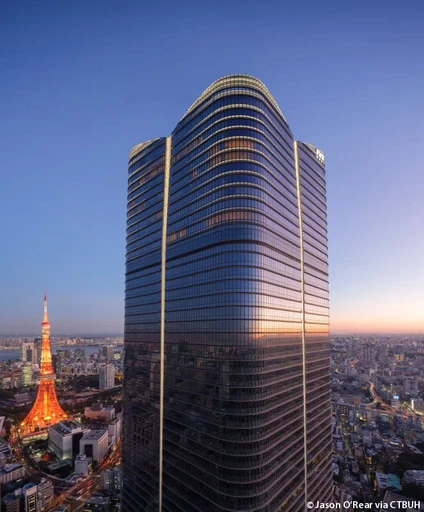
Signature Properties
Hanabusa Corporation specializes in representing exceptional real estate across Tokyo's most prestigious districts. We advise international investors and discerning buyers on the acquisition and sale of luxury condominiums, private residences, vacation homes, commercial buildings, apartment investments, and prime development sites. Complementing our brokerage expertise, we offer master leasing, bespoke property management, and access to Japan's leading architects and luxury custom home builders—delivering a comprehensive real estate experience tailored to the needs of global clients.



© 2026
18'
Discover the district where timeless Japanese craftsmanship, world-renowned luxury, and contemporary culture come together to create an experience found nowhere else.
The Heart of Tokyo
GiNZA

EIUSKE KIUCHI
CEO & Licensed Real Estate Agent
As the CEO of Hanabusa Corporation and a licensed real estate agent, I represent international buyers and sellers in the acquisition and sale of luxury residences, development sites, and investment assets located in Tokyo's premier neighborhoods. We also provide master leasing, luxury vacation home management, and tailored property services, ensuring every asset is professionally managed with discretion and care.


Tokyo’s resale condominium market is beginning to show an interesting contradiction.
Prices remain extremely high, but the number of properties available for sale is rising rapidly.
In July 2026, the average transaction price for a resale condominium in Tokyo’s three central wards — Chiyoda, Chuo and Minato — was approximately ¥130.95 million.
That was 3.6% higher than the previous month, although still 5.9% lower than a year earlier. The average transaction price has now risen for two consecutive months from its 2026 low in May.
At the same time, inventory is growing much faster.
There were 4,942 resale condominiums listed for sale in the three central wards in July, an increase of 50.5% year on year.
That is a major change in market conditions.
Another number is even more revealing.
The average asking price of listed properties was approximately ¥202.08 million, while the average transaction price was ¥130.95 million. The difference between those two market averages was more than ¥71 million.
This does not mean buyers are routinely negotiating ¥71 million discounts. The listed properties and the properties actually sold are not necessarily the same units.
But the data does highlight a growing disconnect between seller expectations and the prices buyers are actually accepting.
For several years, central Tokyo property owners became accustomed to rapidly rising prices. Many sellers are therefore entering the market with aggressive asking prices based on recent appreciation.
Buyers, however, appear to be becoming more selective.
July transaction volume in the three central wards totaled 228 units, down 18.6% from the previous year. Meanwhile, inventory continues to accumulate.
This could create opportunities.
Properties with exceptional characteristics — prestigious buildings, strong locations, high floors, views, large floor plans or recently renovated interiors — may continue to command premium pricing.
Ordinary units priced as though they were exceptional may have a harder time finding buyers.
For investors and overseas buyers, this is potentially a healthier market.
Instead of feeling pressure to purchase immediately because prices are rising everywhere, buyers may increasingly be able to compare several properties, analyze transaction data and negotiate with sellers whose units have remained on the market for longer periods.
Tokyo has not suddenly become a buyer’s market.
But after years of extremely strong price growth, negotiating power may slowly be returning to buyers in certain parts of the resale market.


Property Category
Discover a carefully curated portfolio across Tokyo’s five central wards, from prime investment properties and luxury residences to newly built homes and exceptional land. We focus on opportunities distinguished by location, quality, scarcity, and enduring value for international buyers and investors.
Private Collection
Houses
Premier Collection
Condos
Investment Collection
Assets
Development Land
Land
Tokyo Property Newsletter
Tokyo, delivered to your inbox.
Tokyo real estate and local insights, delivered weekly.
FAQ
Answers to the questions that matter most when buying, selling, or investing in Japanese real estate.
Can non-residents purchase and own real estate in Japan?
Yes. There are no restrictions on foreign ownership of real estate in Japan.
Is financing available for non-resident buyers?
Financing options are limited for non-residents. We primarily work with clients purchasing in cash.
Do you assist with property management after purchase?
Yes. We arrange trusted third-party management services for both investment properties and second homes.
Can you assist with renovation or customization?
Yes. We offer renovation coordination for selected properties above a certain price range.
Do you offer access to off-market properties?
Yes. We provide access to select off-market opportunities not publicly listed.
Do you assist with furnishing and appliance setup?
Yes. We coordinate furnishing and appliance setup through selected partners, tailored to each property.
Tokyo has never lacked excellent Chinese restaurants. But a new opening in Hiroo illustrates how the city’s dining scene is moving beyond the traditional idea of restaurants being defined only by cuisine.
KAIFAN TOKYO, which opened on August 11 in Hiroo, is a Chinese dining room and bar created by filmmaker and creative director Yuann, also known as Gen Yoshida. The concept combines traditional Chinese cooking with contemporary design, art, natural wine and late-night bar culture.
The name “Kaifan” comes from a Chinese expression meaning roughly “food is ready” — an invitation to gather around the table.
That casual spirit is important.
Rather than presenting Chinese cuisine as formal banquet dining, the restaurant serves familiar dishes with modern interpretations. Its menu includes items such as shizitou, the large pork meatball associated with China’s Jiangnan region, alongside dim sum and other small plates. After dinner service, the restaurant transitions into a bar from around 10 p.m.
But perhaps the most interesting part of KAIFAN is its location.
Hiroo sits between some of Tokyo’s most international residential neighborhoods: Ebisu, Azabu and Minami-Azabu. Embassies, international schools and affluent Japanese and foreign residents have helped create a dining market where restaurants do not necessarily need to fit neatly into traditional categories.
A restaurant can be Chinese, a cocktail bar, a design project and a cultural space simultaneously.
That reflects a wider change taking place across central Tokyo.
For decades, the city’s reputation overseas was largely built around Japanese cuisine: sushi, tempura, yakitori and ramen.
Today, Tokyo's appeal is increasingly different.
The city is becoming one of Asia's most interesting places to experience international food interpreted through Japanese ingredients, aesthetics and service culture.
Tokyo's 2026 Michelin selection demonstrates the same phenomenon. Restaurants recognized by the guide range from traditional Japanese cuisine to Austrian, French and Thai concepts, often incorporating Japanese ingredients or techniques.
The result is a dining culture that is difficult to describe simply as “Japanese food.”
Instead, Tokyo is increasingly becoming a place where cuisines from around the world are absorbed, refined and reinterpreted.
KAIFAN TOKYO is a small example of that much larger transformation.


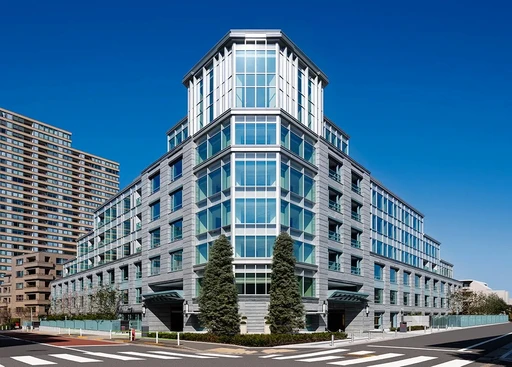


Chiyoda City
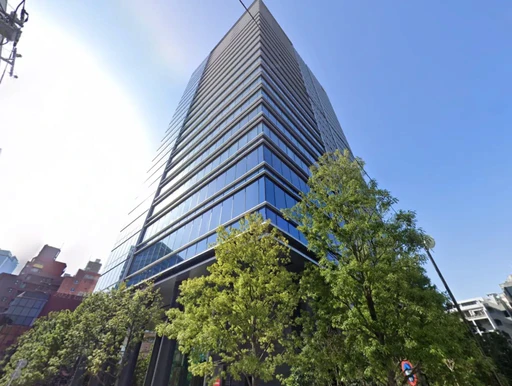

One of Tokyo's most anticipated cultural exhibitions of late summer opens this Friday.
From August 28 through October 25, Azabudai Hills Gallery will host RYUICHI SAKAMOTO + SHIRO TAKATANI AMBIENT KYOTO – TOKYO, bringing the installation async – immersion to Tokyo for the first time.
The work combines music by Ryuichi Sakamoto with visuals by Shiro Takatani and three-dimensional sound reconstructed for the gallery by sound director ZAK.
At the center of the installation is an enormous 26.4-meter-wide screen.
The project is based on Sakamoto's 2017 album async and his idea of “installed music” — music treated not simply as something played through speakers, but as something positioned and experienced spatially.
That makes Azabudai Hills an interesting setting.
When the complex opened, much of the international attention focused on its architecture, luxury residences, offices and restaurants.
But large redevelopment projects in Tokyo are increasingly expected to provide something more than buildings.
They need culture.
Museums, galleries, public art, landscaping, restaurants and events help turn real estate developments into destinations.
Azabudai Hills already contains teamLab Borderless and the Azabudai Hills Gallery. Bringing Sakamoto's work into the complex reinforces the idea that contemporary Tokyo development is as much about creating experiences as creating physical space.
There is also something particularly fitting about experiencing Sakamoto in Tokyo this way.
He was an artist whose career continuously crossed boundaries: Japanese and international, electronic and acoustic, commercial and experimental, music and environmental activism.
Rather than presenting his work as a conventional retrospective, async – immersion asks visitors to enter it physically.
Sound, image, architecture and the movement of the audience become part of the work.
For visitors interested in understanding contemporary Tokyo, this may be more revealing than another observation deck.
Tokyo's identity is increasingly found at the intersection of architecture, technology, art and public space.
And few artists represent that intersection better than Ryuichi Sakamoto.



Our Services
Comprehensive real estate services for buying, selling, and investing in Japan.
Sales Brokerage
Exclusive representation for buying and selling Tokyo's finest residential and investment properties.
3
%
+ ¥60,000
+ 10% TAX
English Assistance
Residential & Commercial Properties
Off-Market Opportunities
Negotiation & Closing Support
Master Lease
Turning property ownership into a fully operational investment through professional leasing and tenant placement.
10
%
~
of rental income
Tenant Acquisition
Lease Administration
Investor Support
Long-Term Operations


Tokyo’s resale condominium market is beginning to show an interesting contradiction.
Prices remain extremely high, but the number of properties available for sale is rising rapidly.
In July 2026, the average transaction price for a resale condominium in Tokyo’s three central wards — Chiyoda, Chuo and Minato — was approximately ¥130.95 million.
That was 3.6% higher than the previous month, although still 5.9% lower than a year earlier. The average transaction price has now risen for two consecutive months from its 2026 low in May.
At the same time, inventory is growing much faster.
There were 4,942 resale condominiums listed for sale in the three central wards in July, an increase of 50.5% year on year.
That is a major change in market conditions.
Another number is even more revealing.
The average asking price of listed properties was approximately ¥202.08 million, while the average transaction price was ¥130.95 million. The difference between those two market averages was more than ¥71 million.
This does not mean buyers are routinely negotiating ¥71 million discounts. The listed properties and the properties actually sold are not necessarily the same units.
But the data does highlight a growing disconnect between seller expectations and the prices buyers are actually accepting.
For several years, central Tokyo property owners became accustomed to rapidly rising prices. Many sellers are therefore entering the market with aggressive asking prices based on recent appreciation.
Buyers, however, appear to be becoming more selective.
July transaction volume in the three central wards totaled 228 units, down 18.6% from the previous year. Meanwhile, inventory continues to accumulate.
This could create opportunities.
Properties with exceptional characteristics — prestigious buildings, strong locations, high floors, views, large floor plans or recently renovated interiors — may continue to command premium pricing.
Ordinary units priced as though they were exceptional may have a harder time finding buyers.
For investors and overseas buyers, this is potentially a healthier market.
Instead of feeling pressure to purchase immediately because prices are rising everywhere, buyers may increasingly be able to compare several properties, analyze transaction data and negotiate with sellers whose units have remained on the market for longer periods.
Tokyo has not suddenly become a buyer’s market.
But after years of extremely strong price growth, negotiating power may slowly be returning to buyers in certain parts of the resale market.
Contact Us
Reach out for expert guidance on Japanese real estate.
Real Estate in Tokyo
Discover
your place .
in Tokyo!
Own your future!
Discover
.
in Tokyo!
© 2026 Hanabusa Corporation. All Rights Reserved.
Hanabusa Corporation
13F, Pacific Century Place Marunouchi, 1-11-1 Marunouchi, Chiyoda-ku, Tokyo
Real Estate License: The Governor of Tokyo (1) No. 112321
Hanabusa Corporation, the Hanabusa Corporation logo, and related names, logos, designs, and branding are trademarks or intellectual property of Hanabusa Corporation. Unauthorized reproduction, distribution, or commercial use is prohibited. All property information presented on this website is provided for informational purposes only and is believed to be reliable at the time of publication. However, Hanabusa Corporation makes no representation or warranty as to its accuracy, completeness, or current availability. Property details, prices, floor areas, lot sizes, yields, taxes, fees, availability, and other information are subject to change, correction, prior sale, lease, or withdrawal without notice. Photographs, floor plans, maps, renderings, illustrations, and other visual materials may be for illustrative purposes only. Actual conditions may differ. Prospective purchasers and tenants should independently verify all information and conduct appropriate due diligence before entering into any transaction. Any information regarding investment returns, rental income, financing, taxation, legal matters, immigration, or future property values is provided for general informational purposes only and does not constitute financial, tax, legal, or investment advice. Please consult an appropriate licensed professional where necessary. Properties featured on this website may include properties listed by Hanabusa Corporation, properties introduced through cooperating brokerage firms, and publicly available property information. The appearance of a property on this website does not necessarily mean that Hanabusa Corporation is the exclusive listing broker or that the property remains available. All photographs, videos, text, graphics, and other content on this website are protected by applicable copyright laws. Reproduction, redistribution, modification, or commercial use without prior written permission is prohibited.
